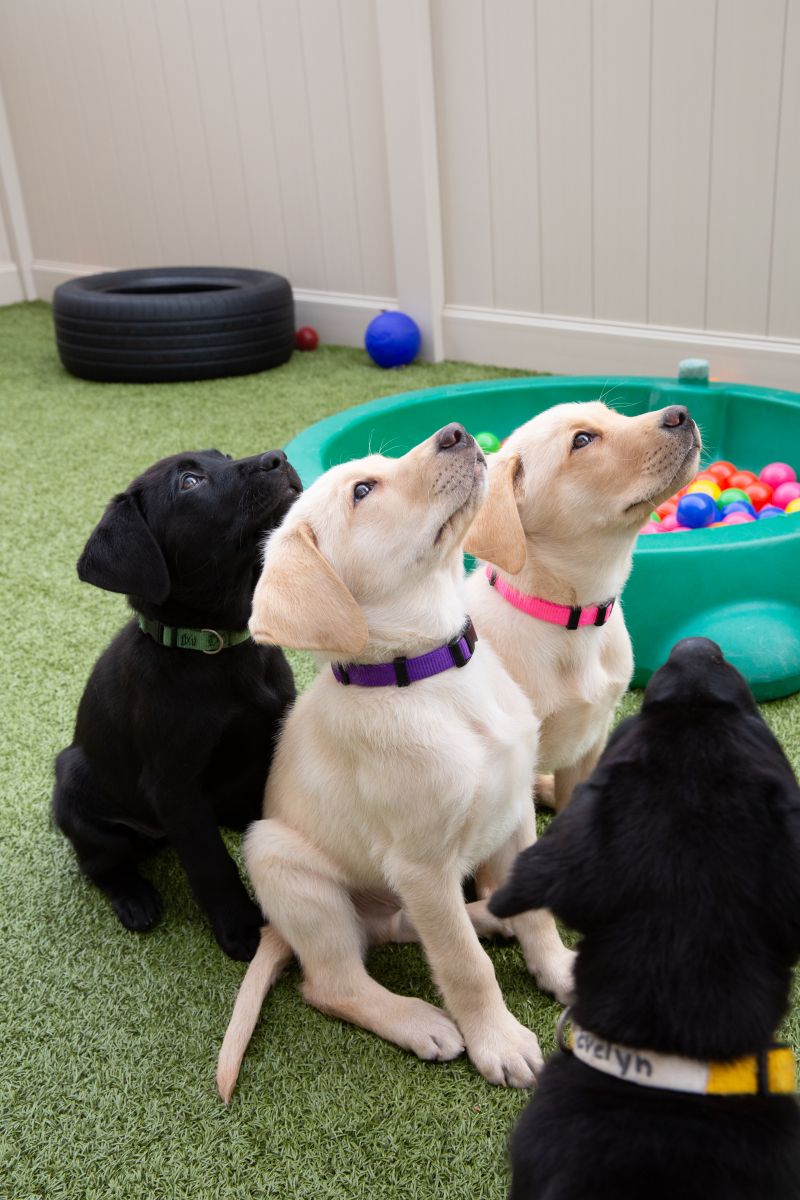
by Grace Nystrom, NEADS Early Learning Center Supervisor, and Kendle Frank, Content Specialist, Freedom Service Dogs of America. Adapted from an article originally published on Assistance Dogs International.
In the first post in this series, we covered the importance and implementation of puppy development and socialization for aspiring Service
Dogs. We also learned that:
- confidence is essential for the success of any Service Dog;
- training a reliable, confident Service Dog starts with the basics: early socialization during developmental stages of growth.
In a puppy’s first stages of development, it is imperative that they begin to build positive associations with new stimuli through structured socialization. Not only does this create a baseline of confidence for puppies, but it also allows organizations to keep track of a puppy’s progress, gain a better understanding of working pathways the puppy may be best suited for in their future, and determine whether a puppy should move forward in their training early on.
Puppies are drastically developing in their first 12 weeks of their lives, and proper socialization can make a profound impact on a puppy’s future as a Service Dog. Last time, we covered what developmental milestones occur in a puppy’s first 6 weeks of life. In this post, we will break down what development looks like for 7- to 12-week-old puppies and the types of socialization activities leading organizations like NEADS World Class Service Dogs and Freedom Service Dogs of America facilitate to help their puppies with a purpose reach their full potential.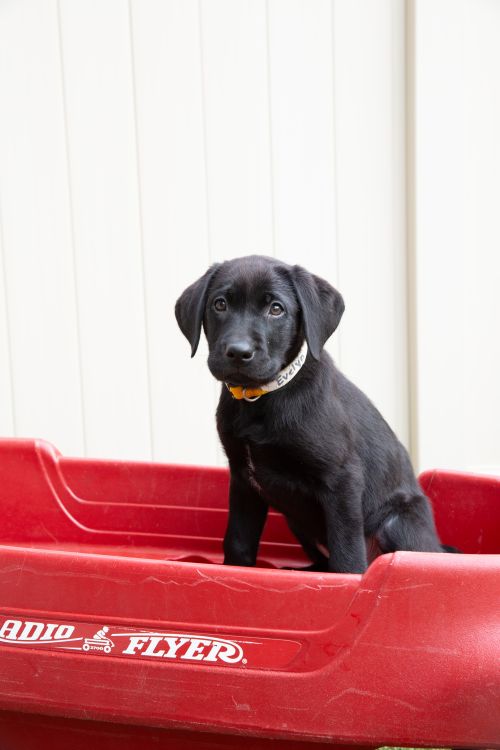
Weeks 7 and 8
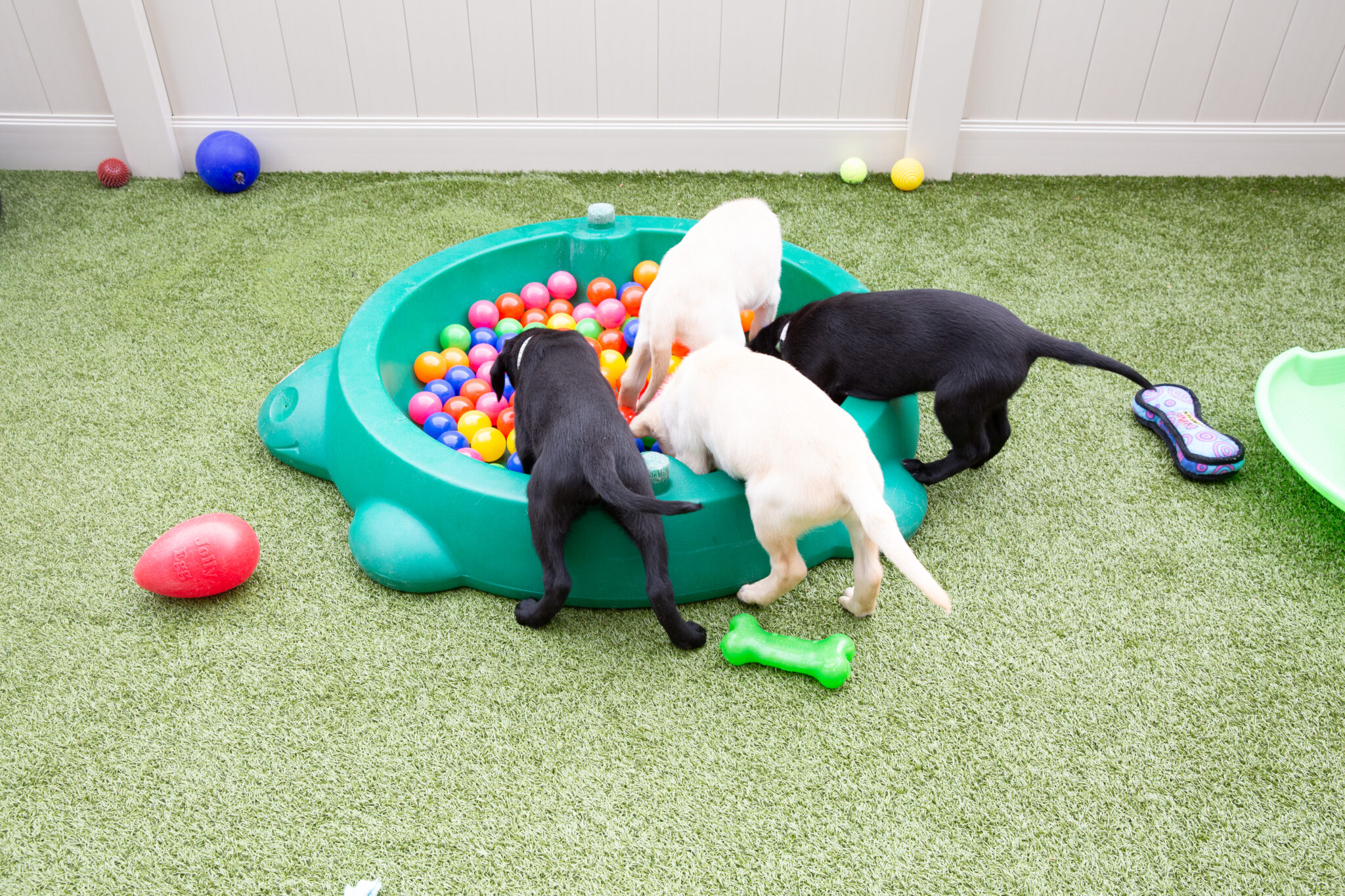
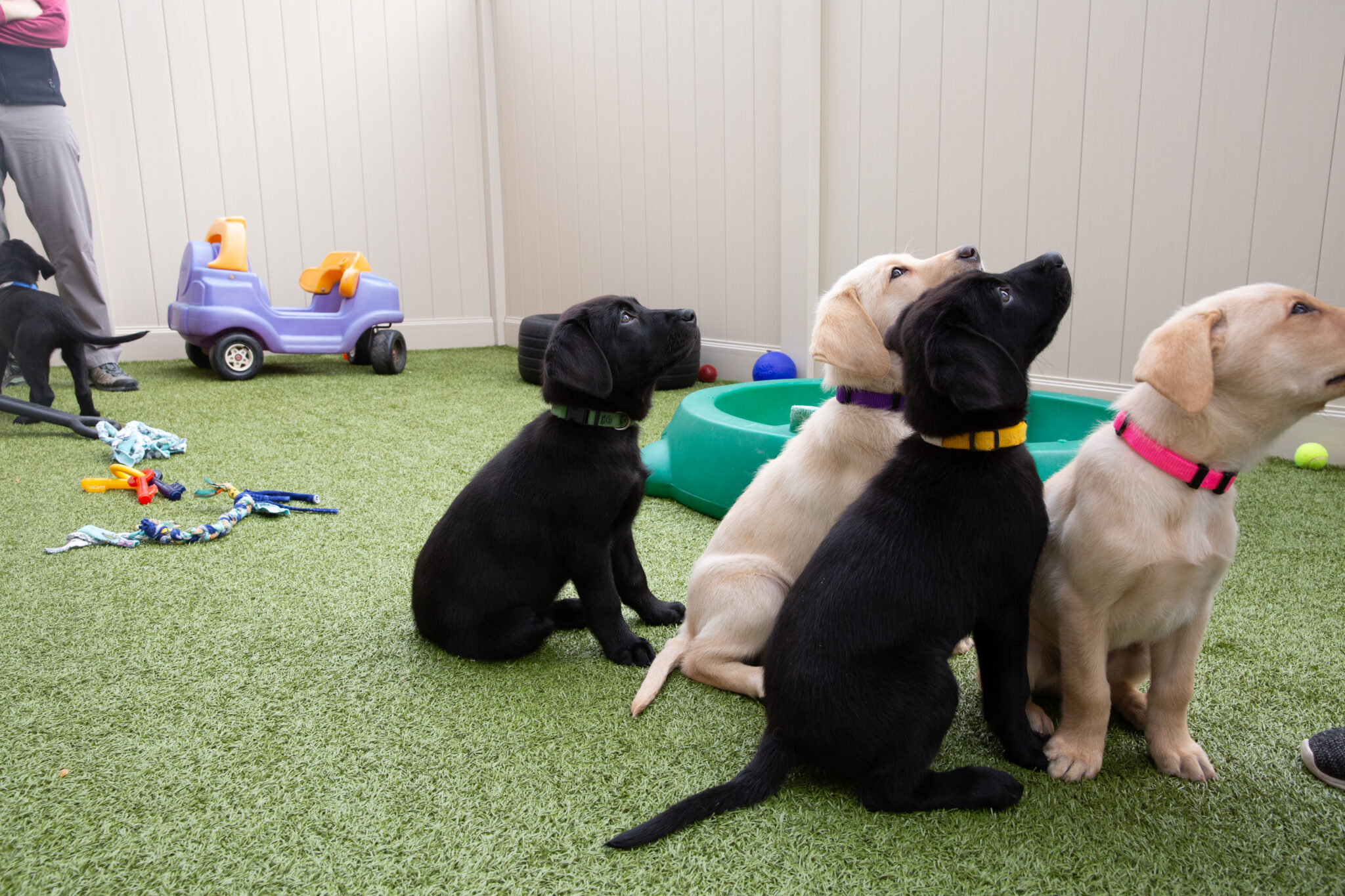
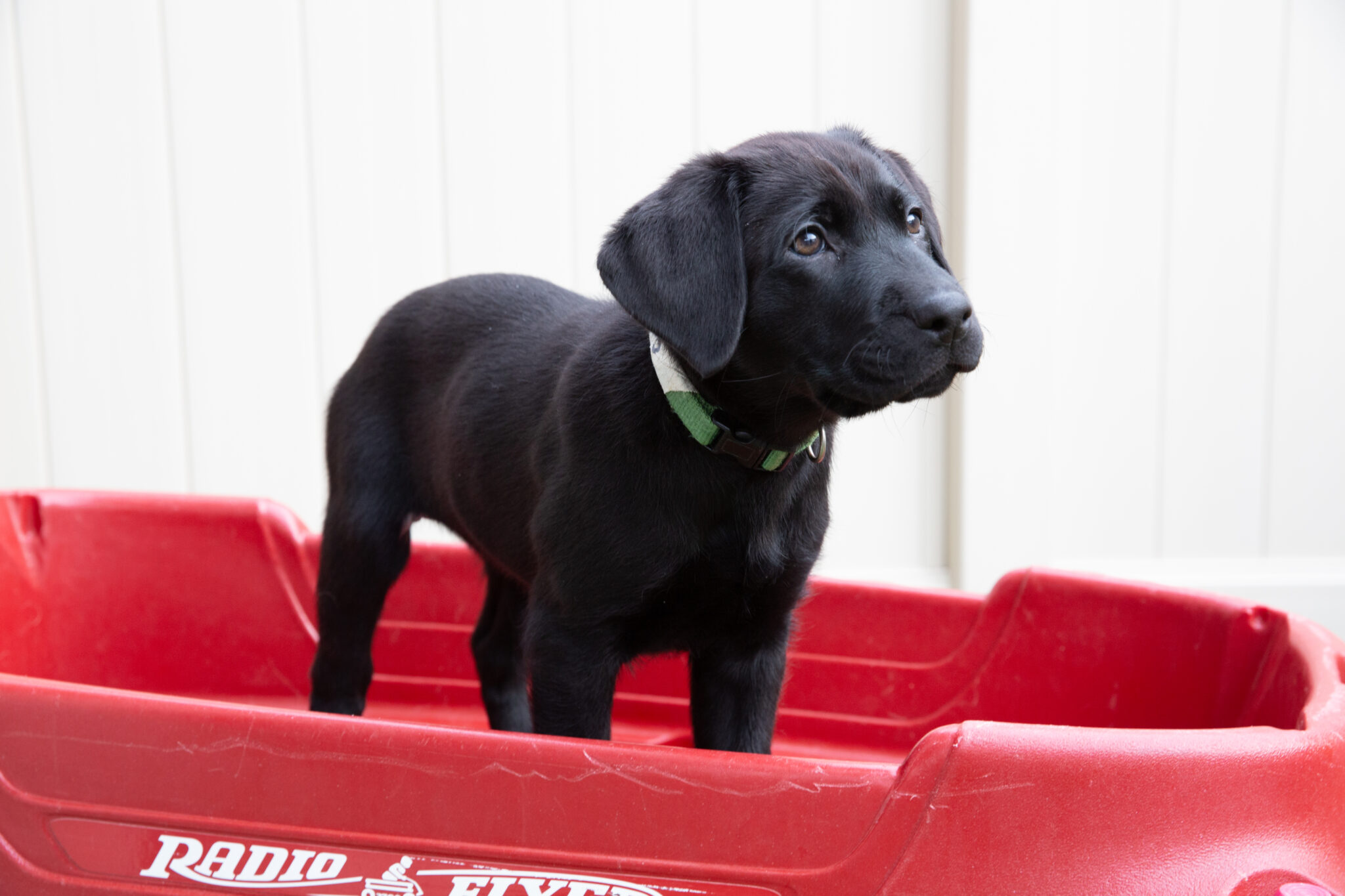
Puppies now begin demonstrating unique personalities and are nearly ready for the next stage of their Service Dog training. Their sight and hearing are nearly fully developed, and skills like running, jumping, playing, and exploring large objects like children’s slides and tires can be introduced to their spaces as the pups are becoming more advanced. This is a critical point in their development, and their inquisitive nature takes center stage. They’re soaking up the world around them like sponges, learning from their siblings, the environment, and the humans they interact with.
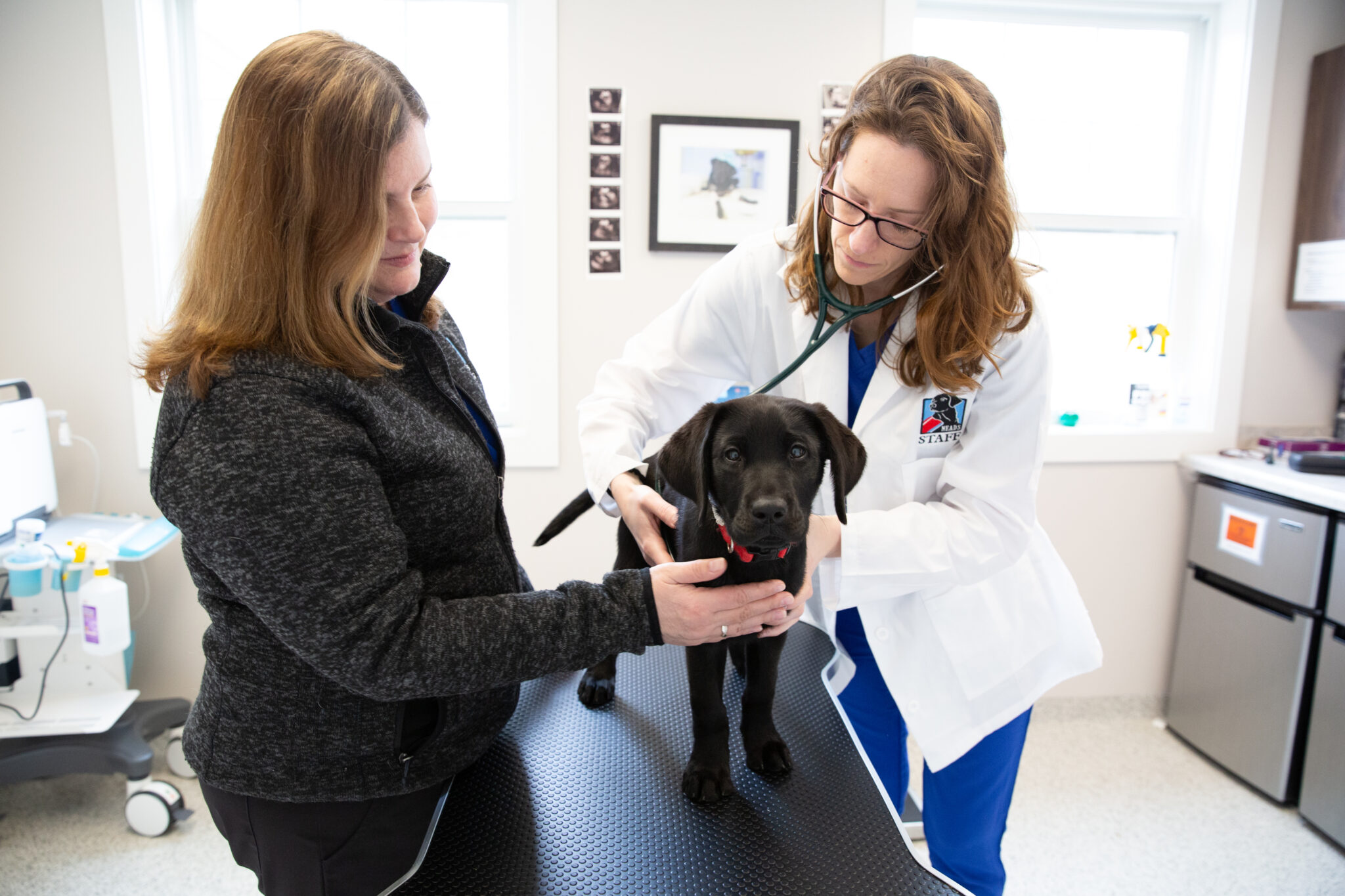
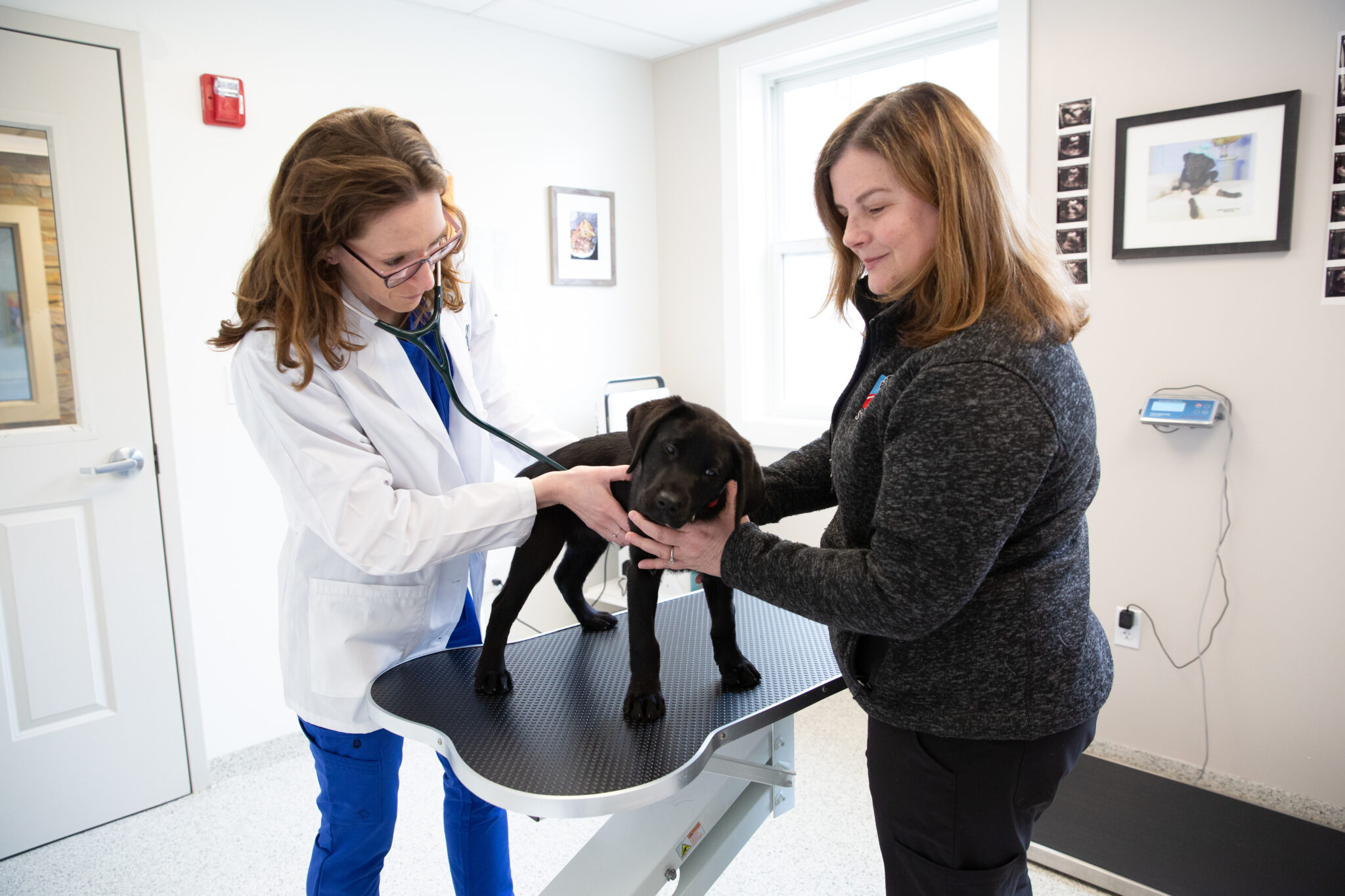
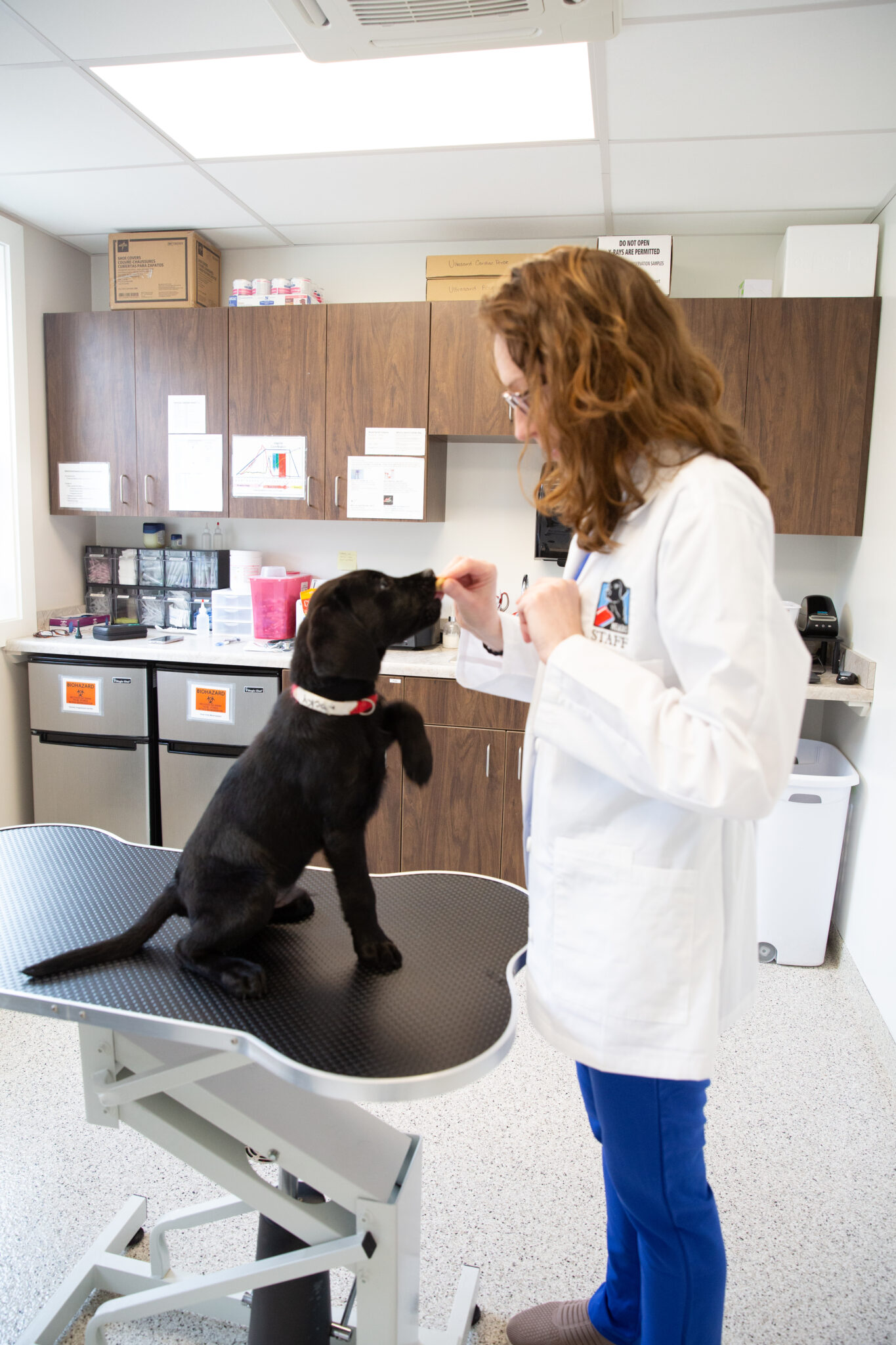
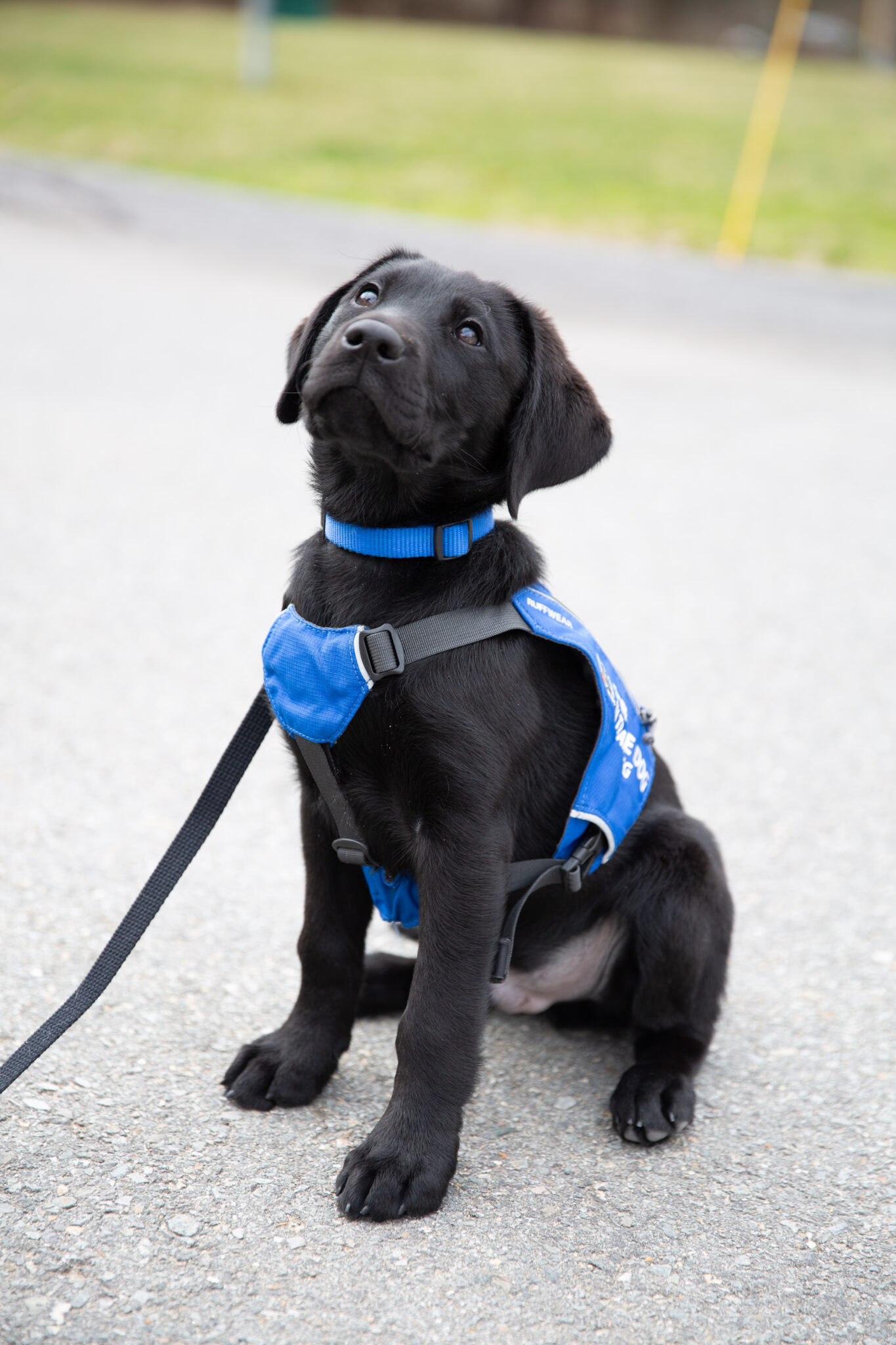
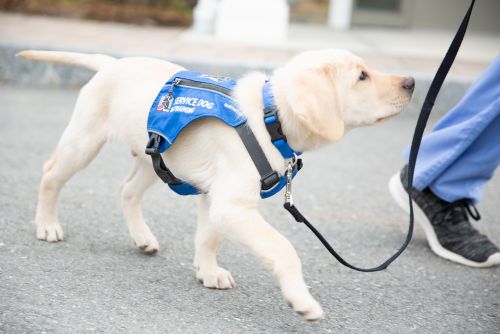
At this age, puppies receive socialization activities that prepare them for their next steps in their Service Dog journey. This may include spending time with animals of other species, like cats, as well as desensitizing to vests, water, and everyday items and equipment. 8-week-old puppies typically do their first Behavior Checklist (BCL) assessment, where a team of experts evaluate the puppies’ behavior and reactions to stimuli, stressors, and new situations. This sets a good baseline for organizations to keep track of their progress as they go through the training program.
Weeks 9 and 10
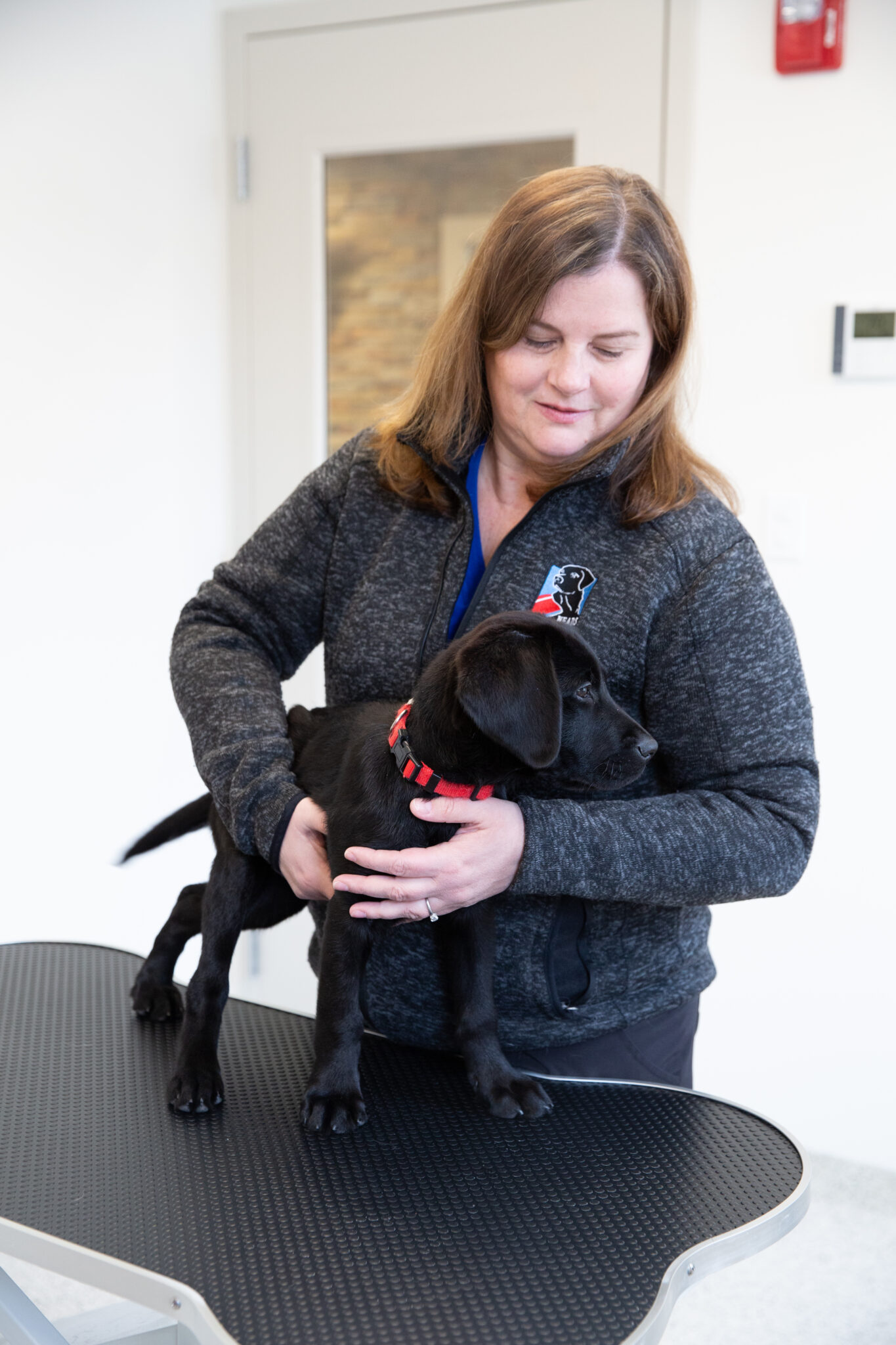
By the time a puppy is 9 to 10 weeks old, they start experiencing the world at a more advanced level. Handling should be ramped up, such as touching their paws daily, approaching them from different angles, and providing more opportunities to bond with humans. At this age, pups should be introduced to activities like walking up staircases and riding in an elevator. They should be encouraged to step into the elevator by themselves, without food luring or forcing them on.
Many organizations start sending puppies of this age to the next step in their Serviceog journeys—typically with volunteer puppy raisers, puppy sitters, or to a prison puppy training program.
 Weeks 11 and 12
Puppies should now be confident tackling new challenges as individuals. It’s important for staff and volunteers to continue providing support to a puppy when needed, as they will be working with a handler as a team moving forward.
More advanced socialization should occur at this stage, such as riding in cars and gaining exposure to vehicle traffic. Socialization should be tailored to meet the needs of the specific puppy, and the puppy’s threshold for activity needs to be considered. Take note of the puppy’s body language to determine when to end a session, as it’s never a good idea to push a puppy past their limits, to minimize building negative associations.
By recognizing developmental milestones of puppies and implementing proper daily socialization, organizations can increase the number of successful placements by raising confident, resilient, and hardworking Service Dogs.