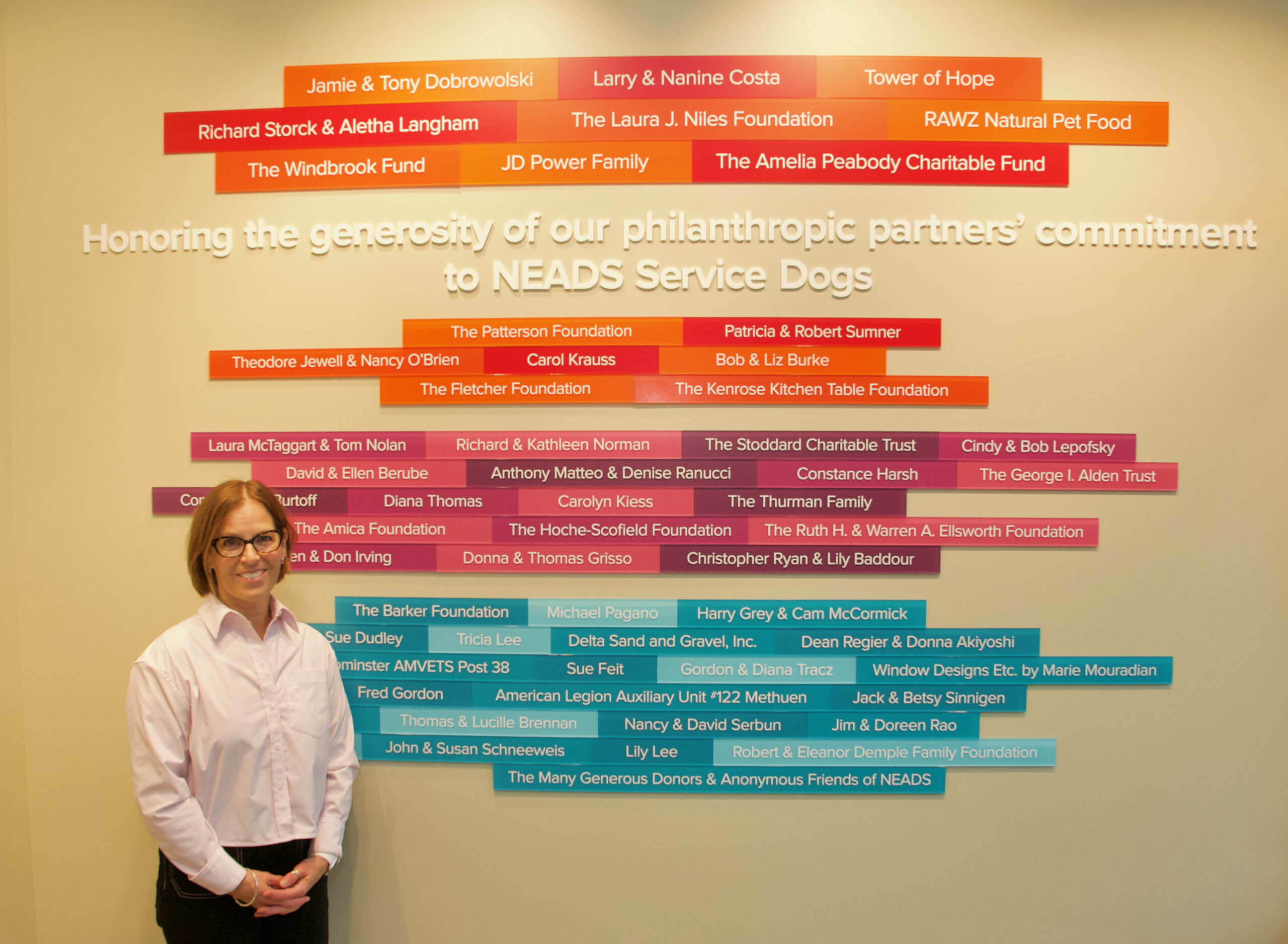
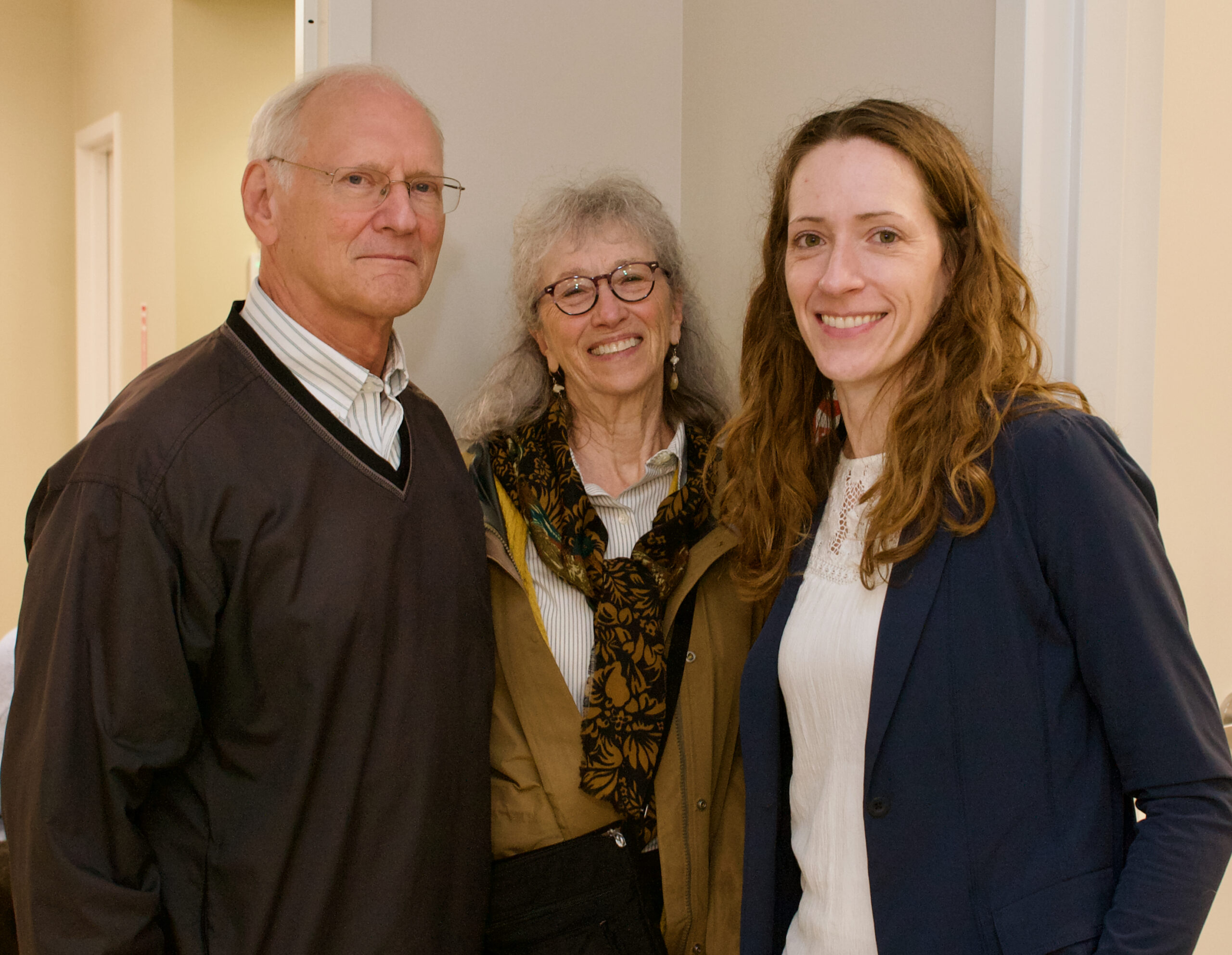
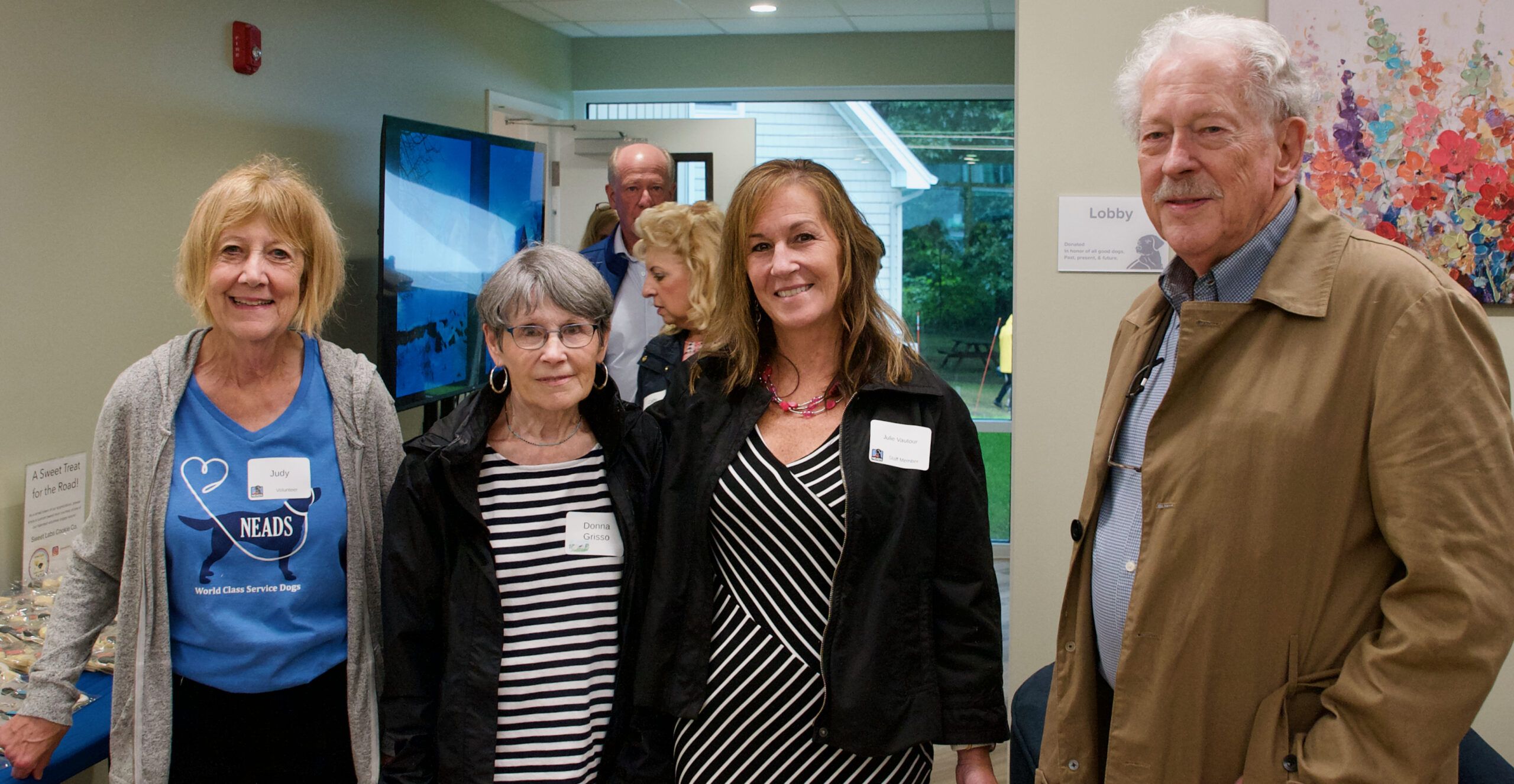
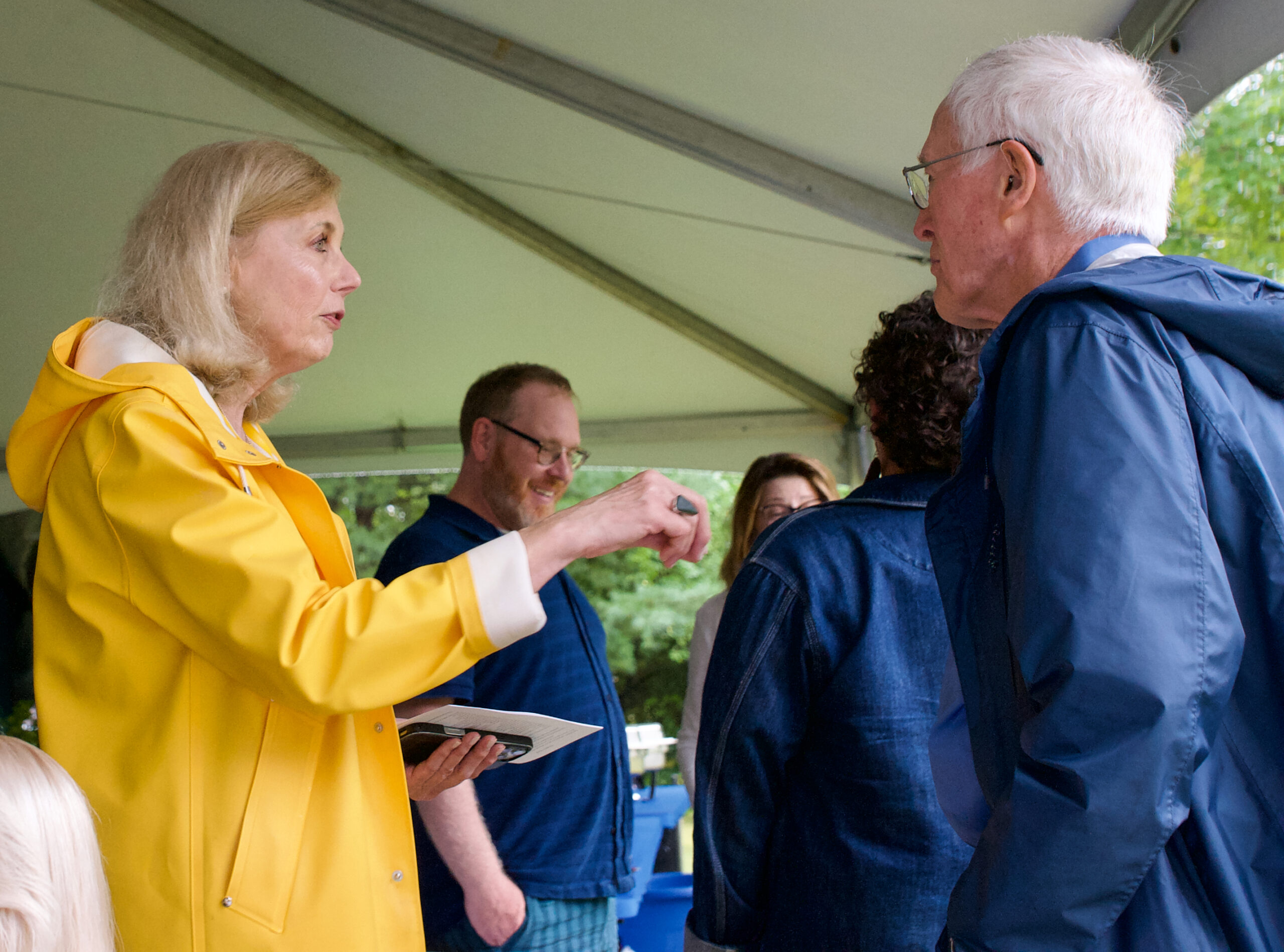
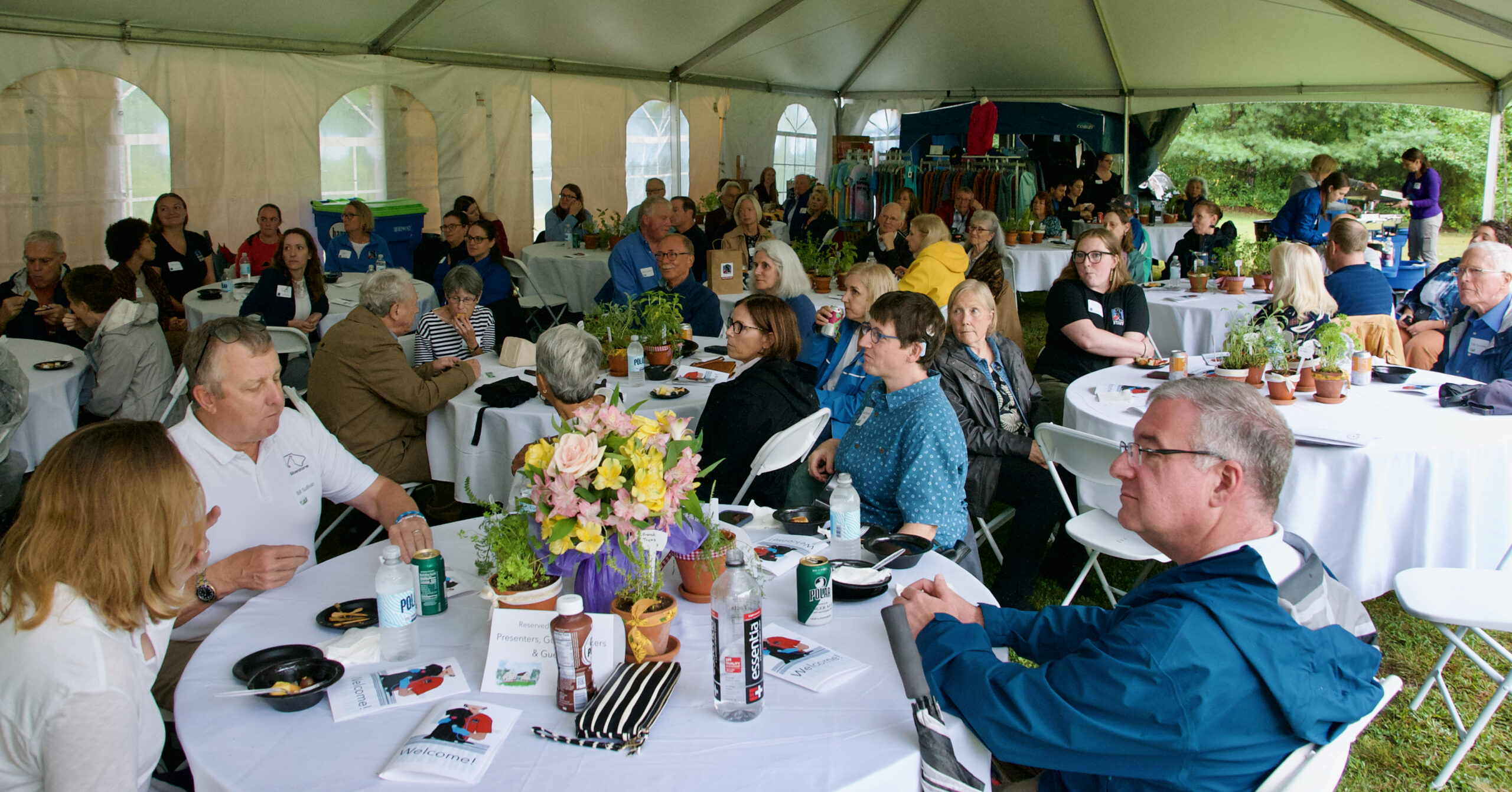
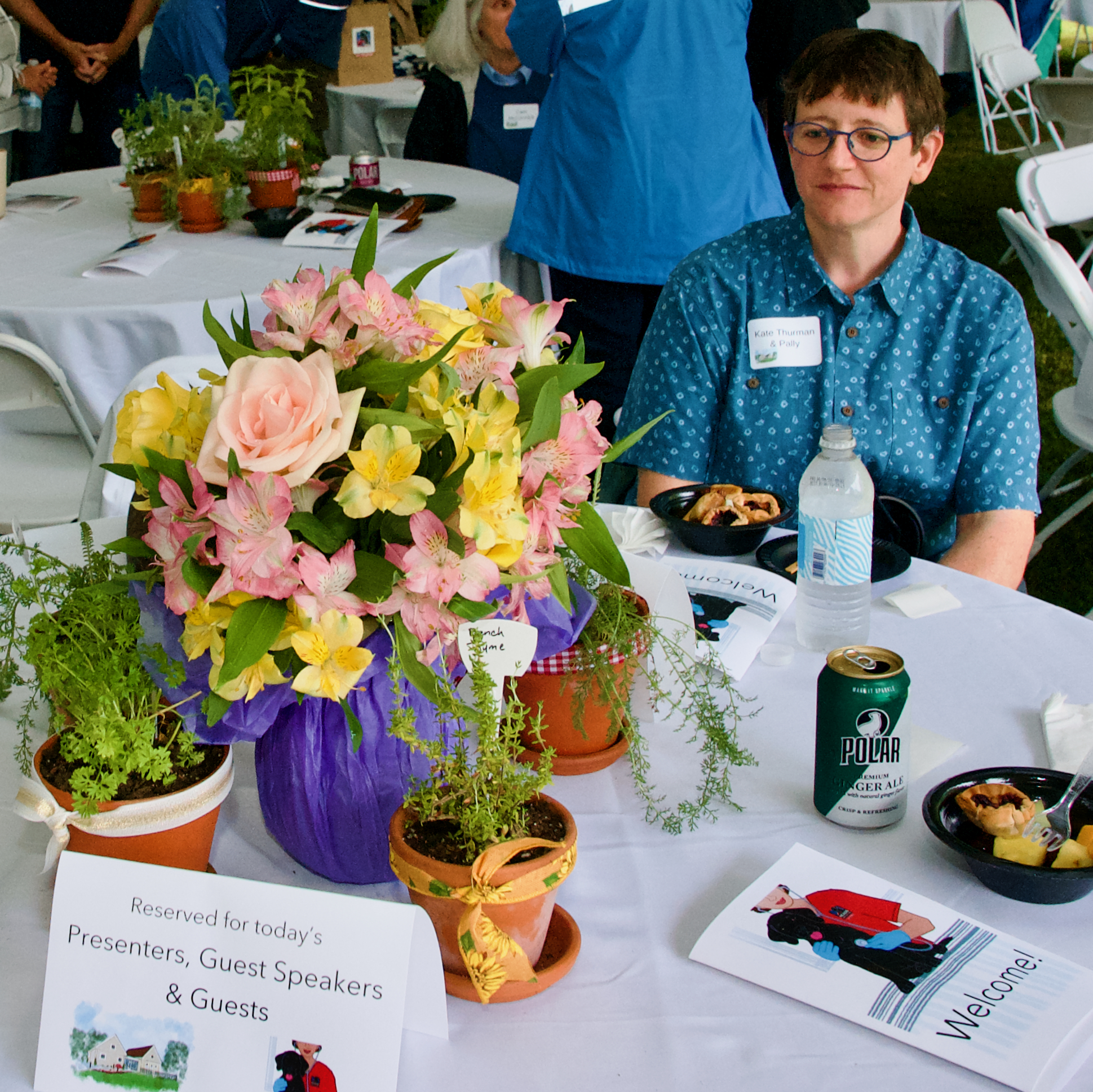
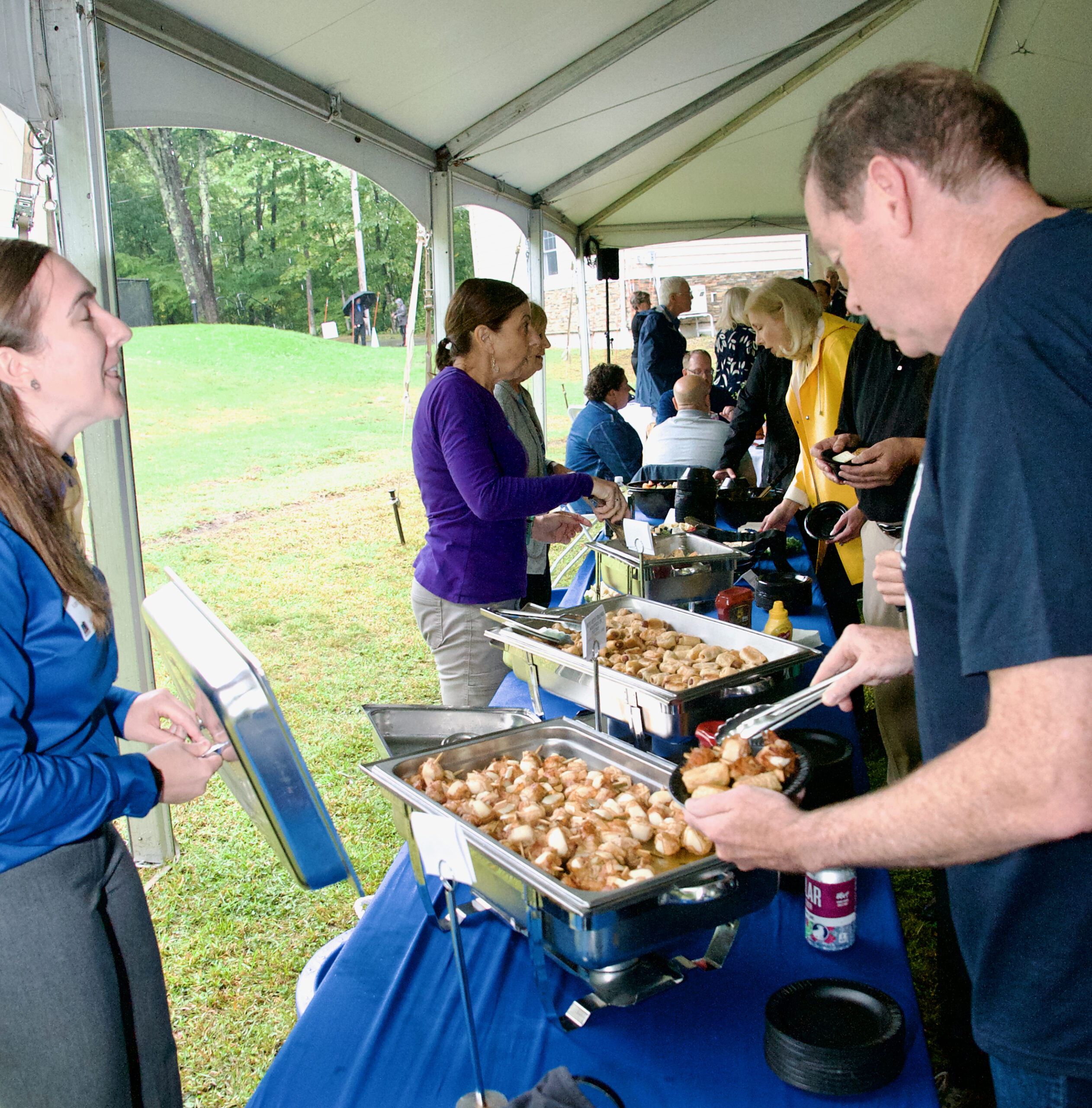
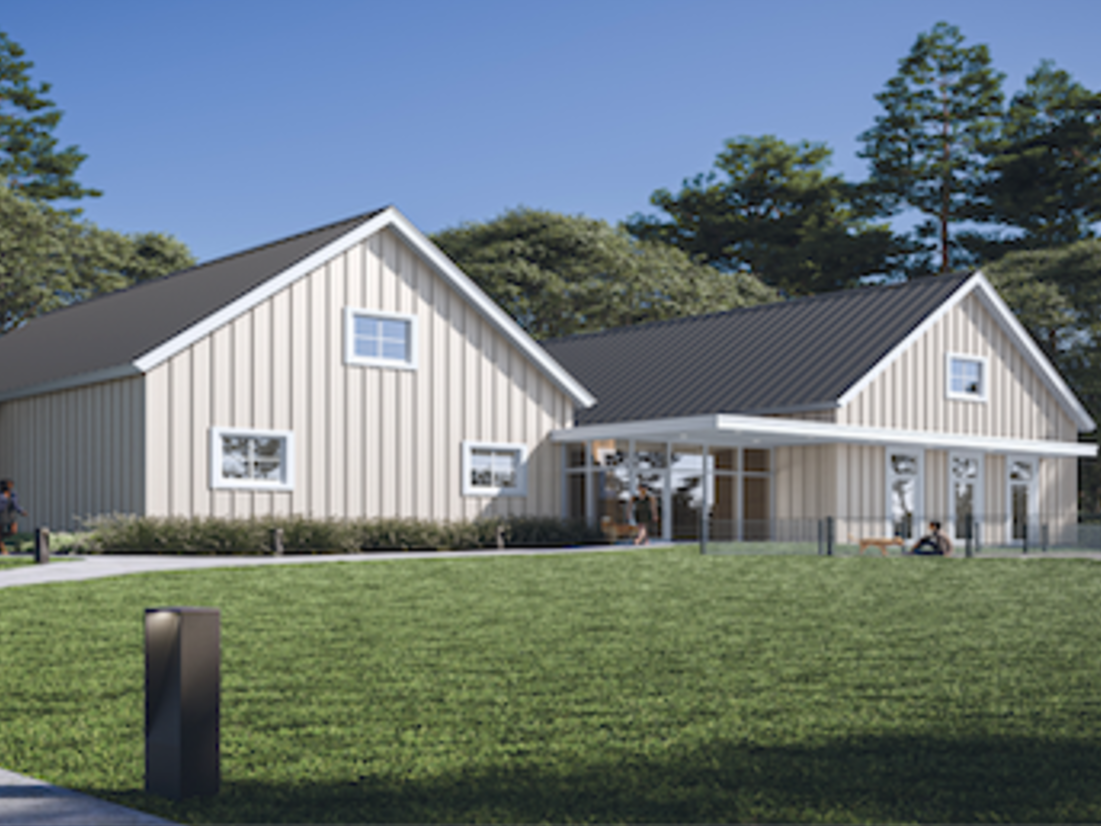
On Sunday, September 13, NEADS hosted a Ribbon Cutting Ceremony to celebrate the completion of the Richard Murray Veterinary Clinic & Early Learning Center — the newest milestone in the Foundations for the Future initiative and the latest addition to our Princeton campus.
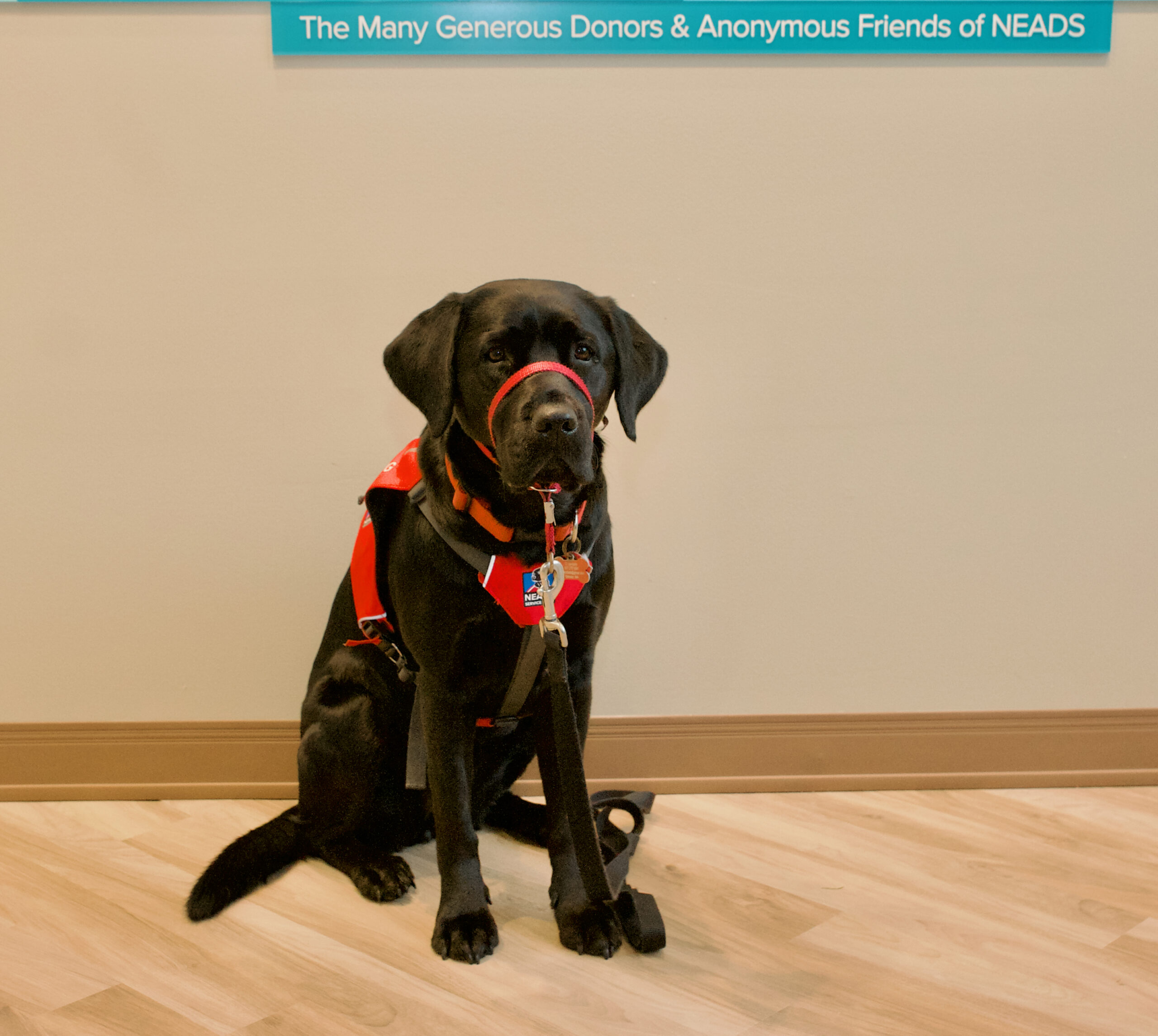
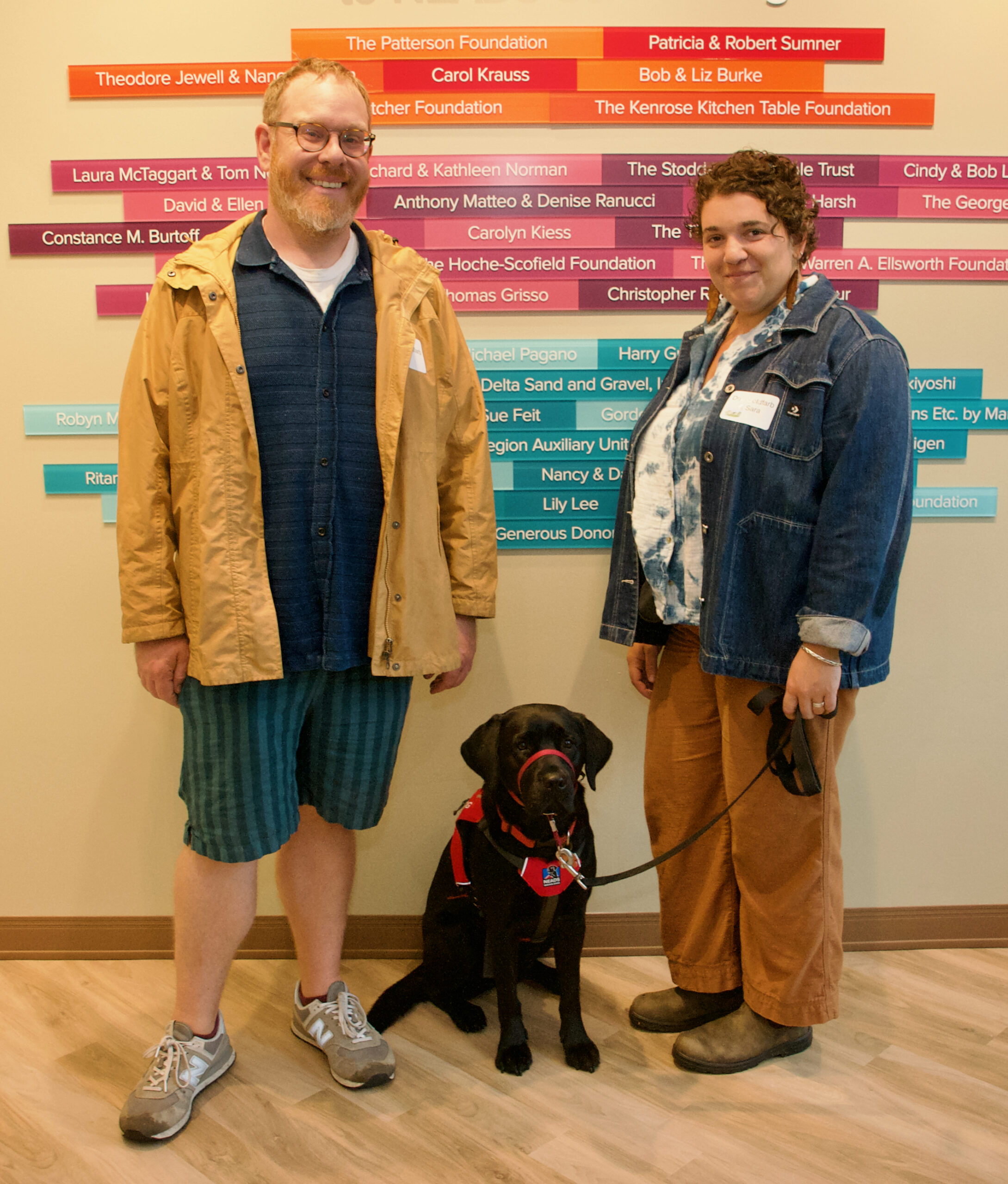
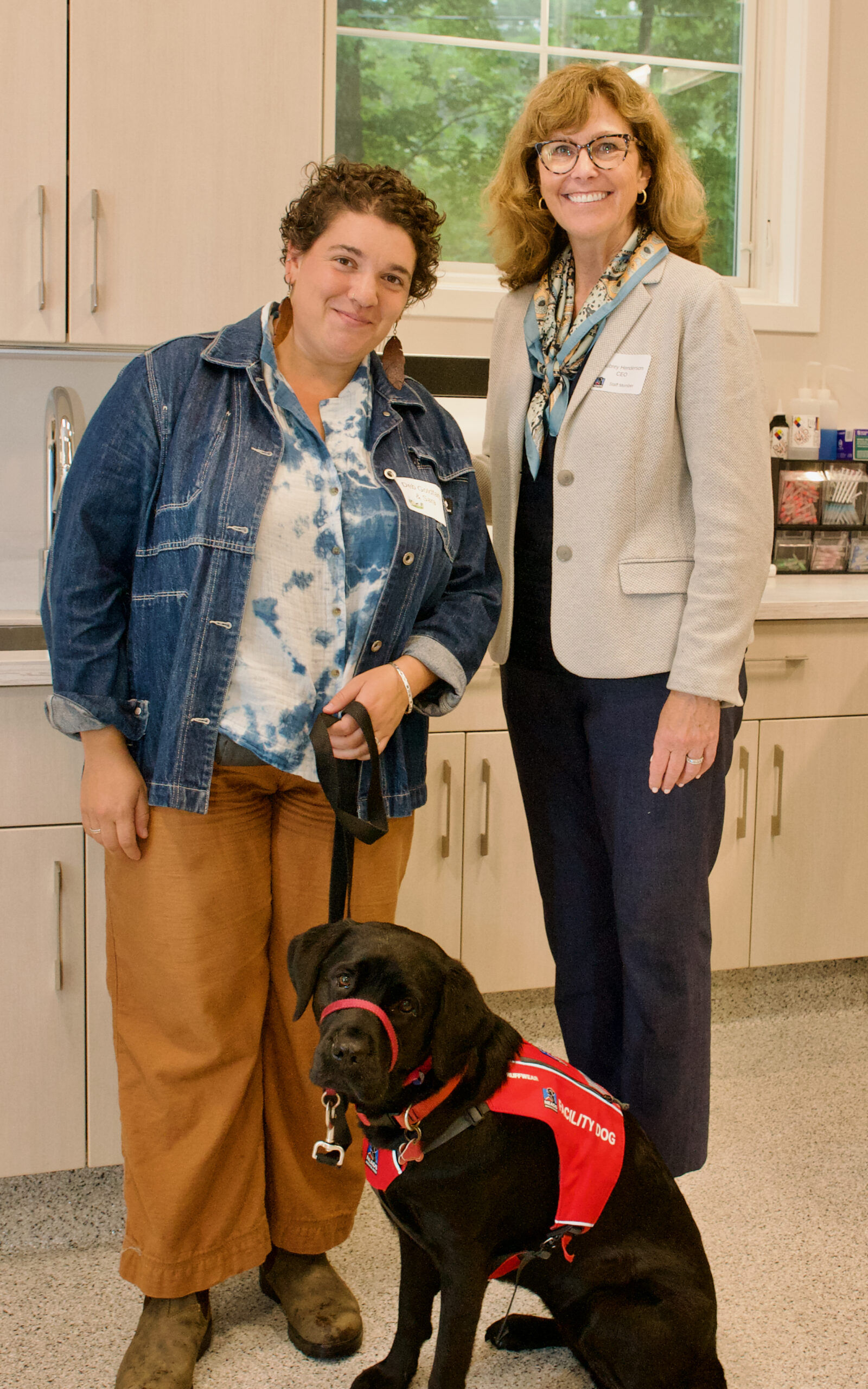
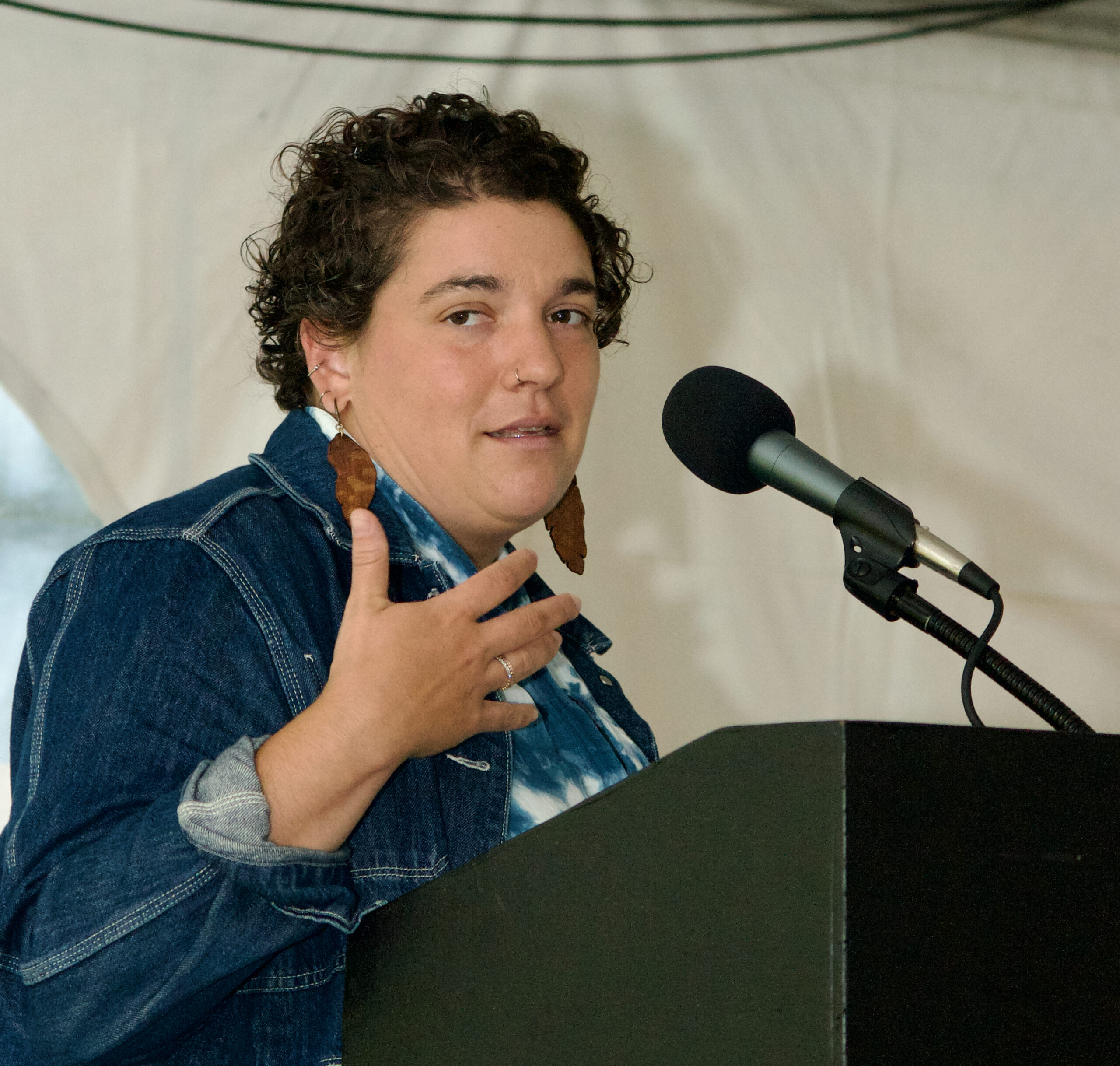
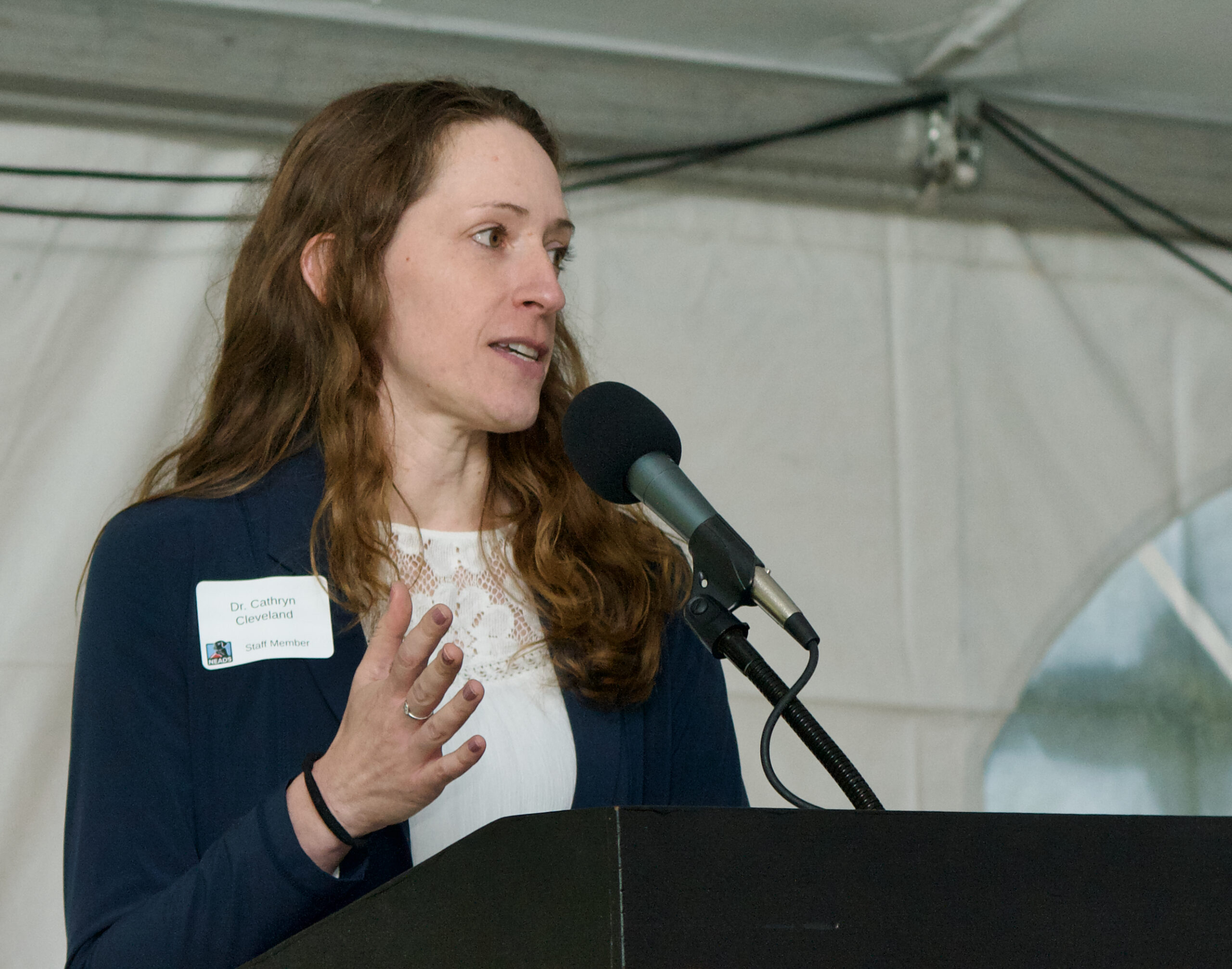
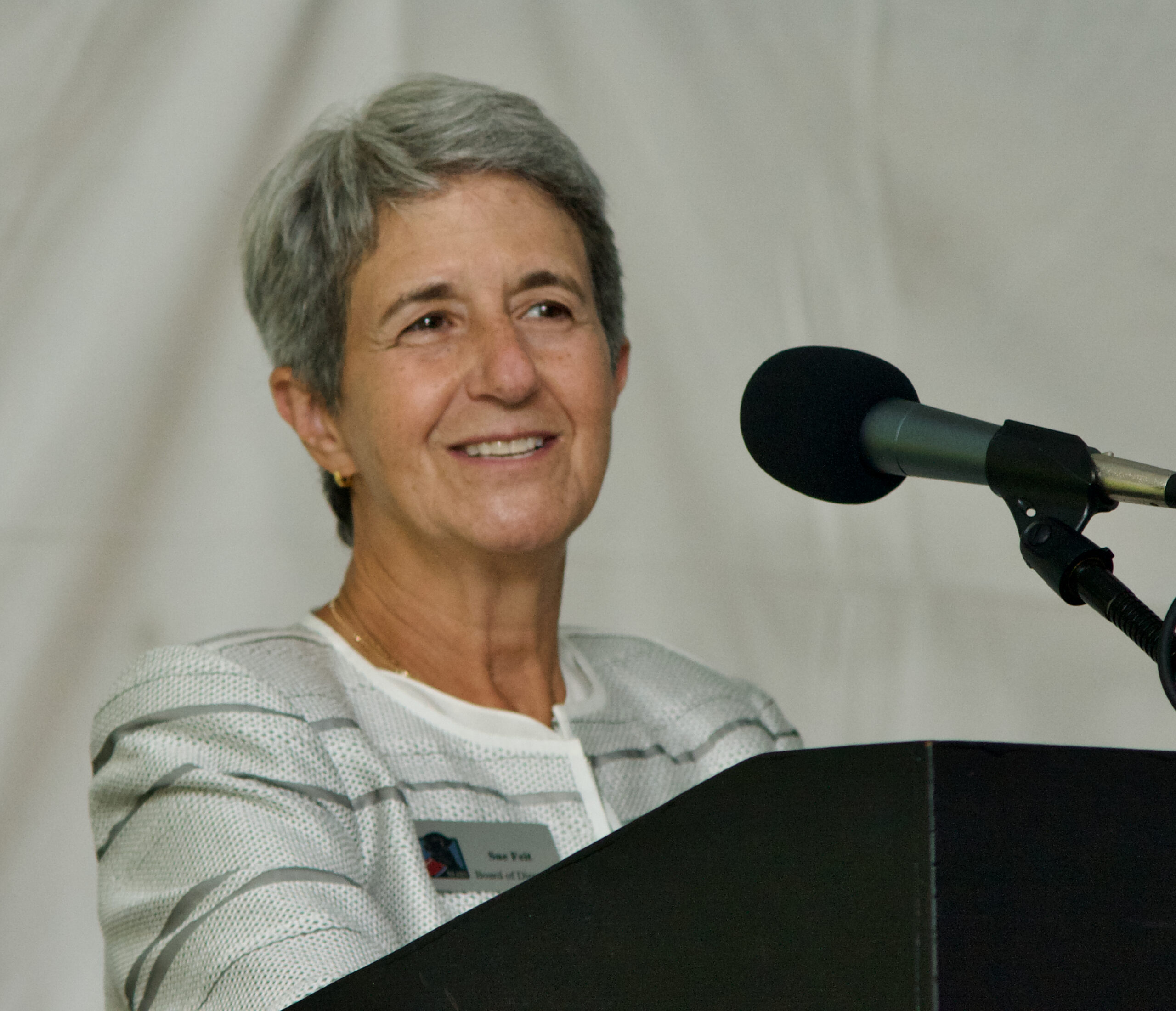
NEADS CEO Aubrey Henderson welcomed guests, followed by remarks from Board Chair Susan Feit. Guest speaker Deb Goldfarb, accompanied by Facility Dog Sara, shared the remarkable work she and Sara are doing. Special recognitions were presented before the ribbon cutting, after which guests enjoyed self-guided tours of the new facility.
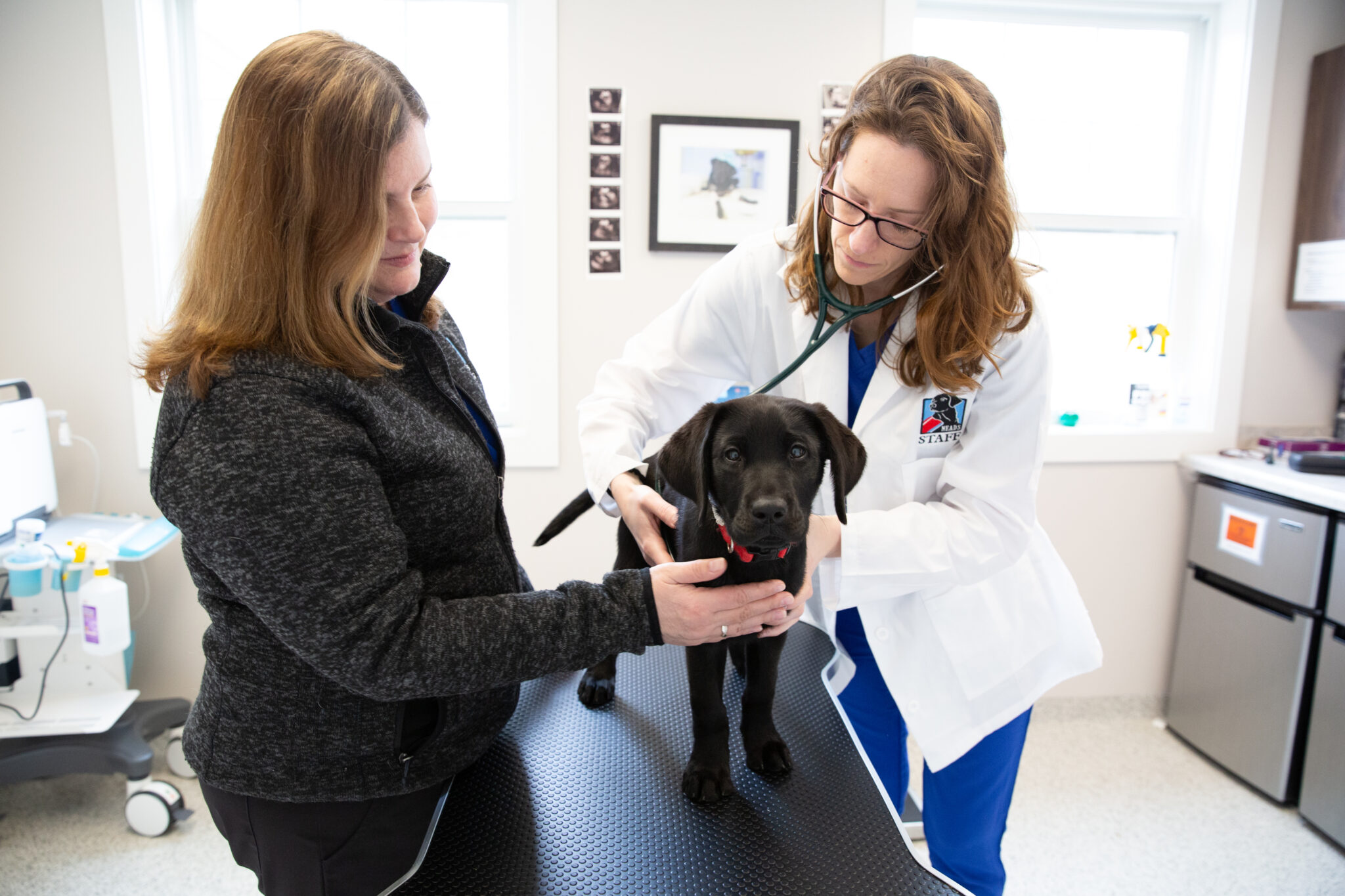
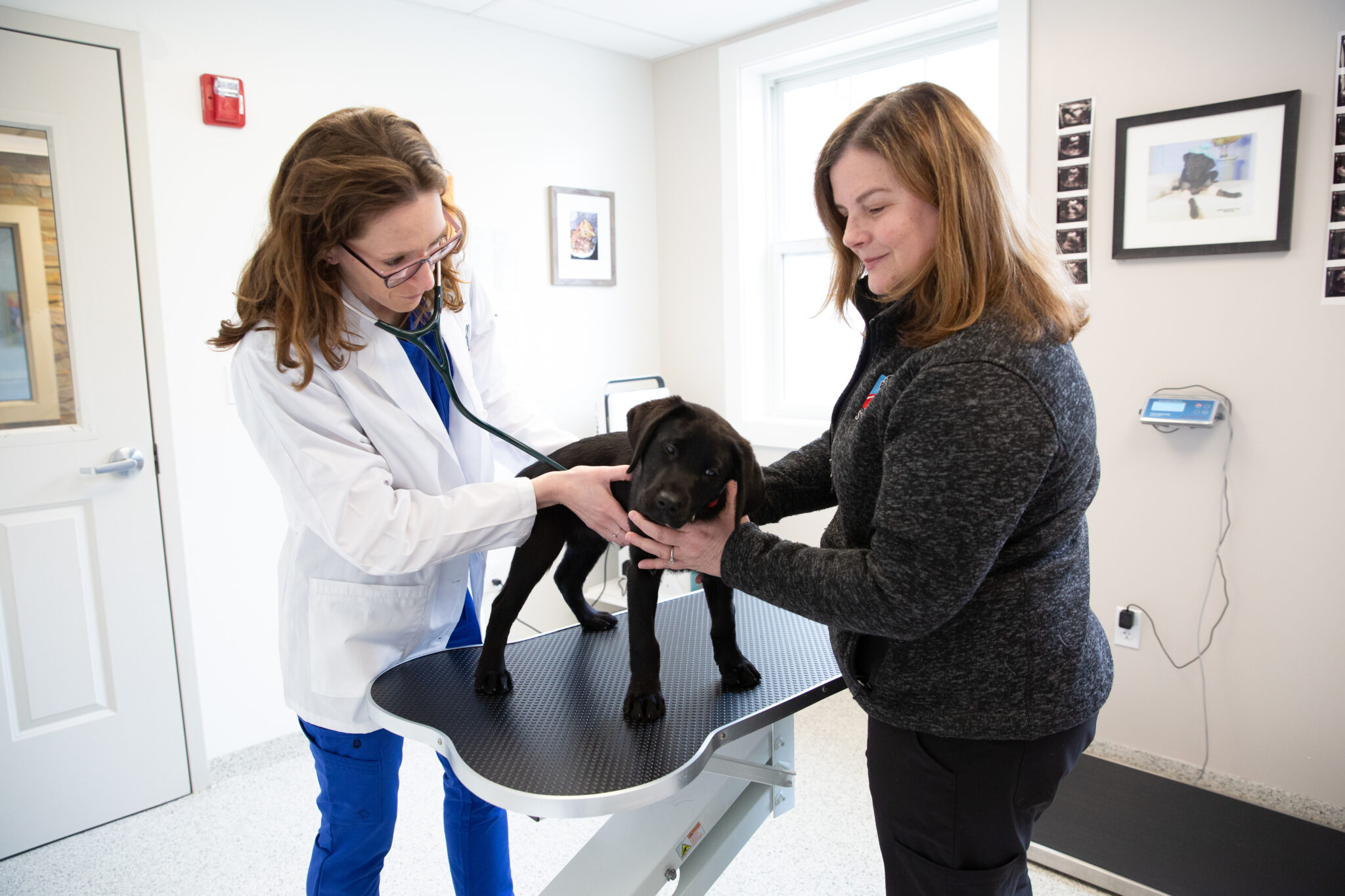
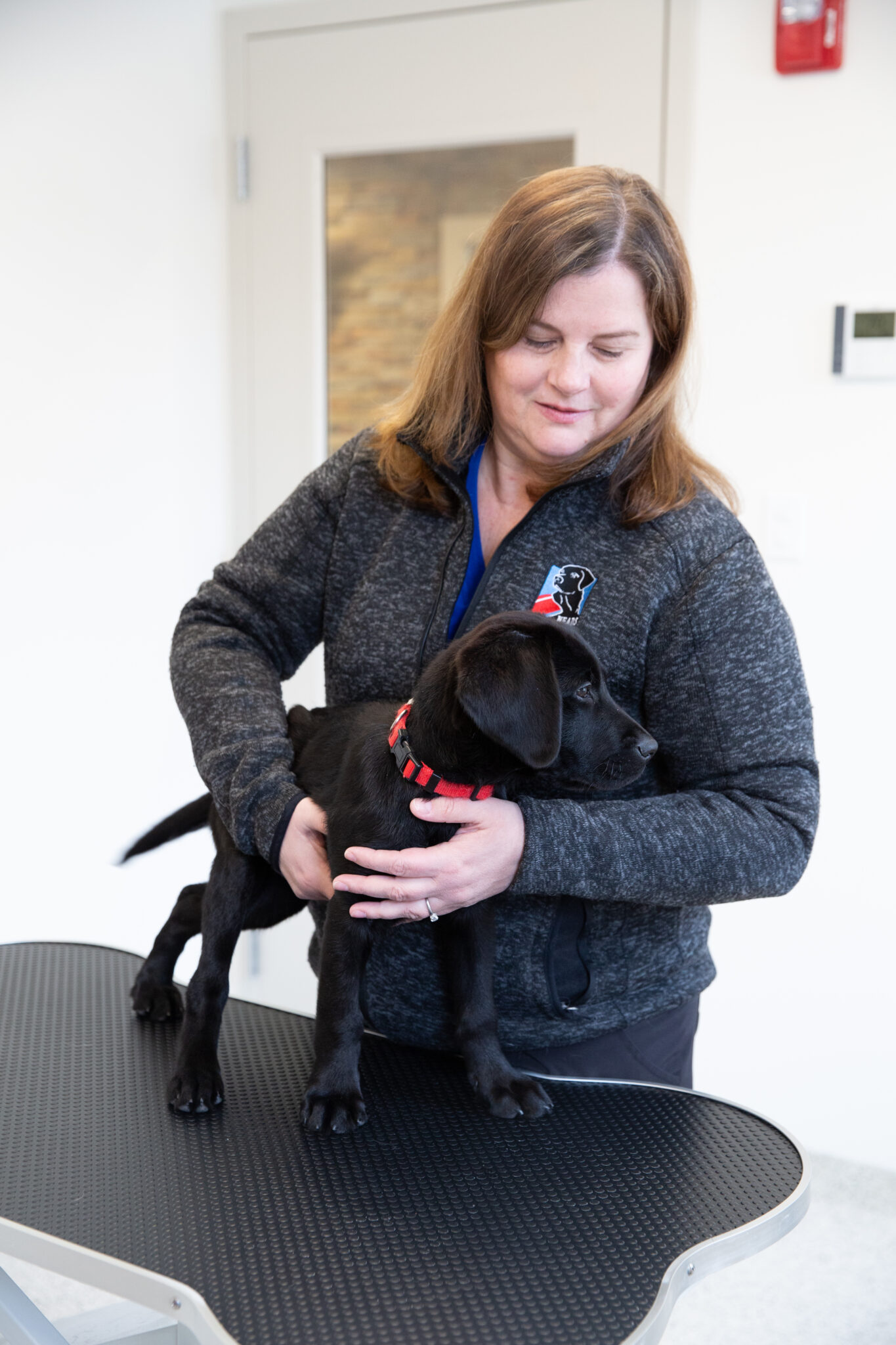
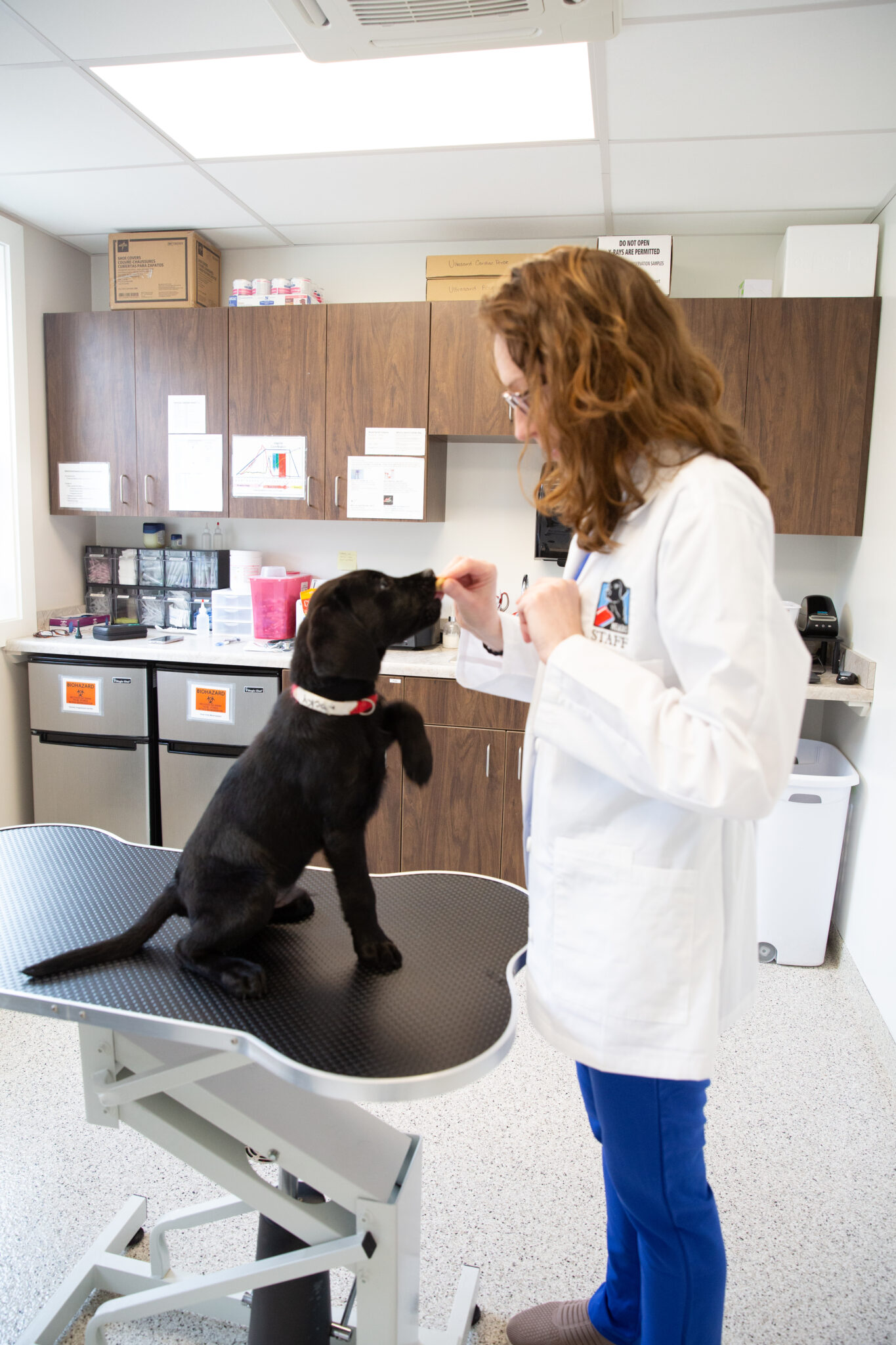
The building brings two important capabilities under one roof. The state-of-the-art veterinary clinic houses a surgical suite, X-ray room, dental suite, exam room, dog runs, and a specialized care unit for dogs requiring quarantine — meaning that the majority of our dogs’ medical needs, from routine spays and neuters to emergency procedures like cesarean sections, can now be handled right on our campus. This improves response time, reduces stress for our dogs, and significantly reduces reliance on outside veterinary providers.
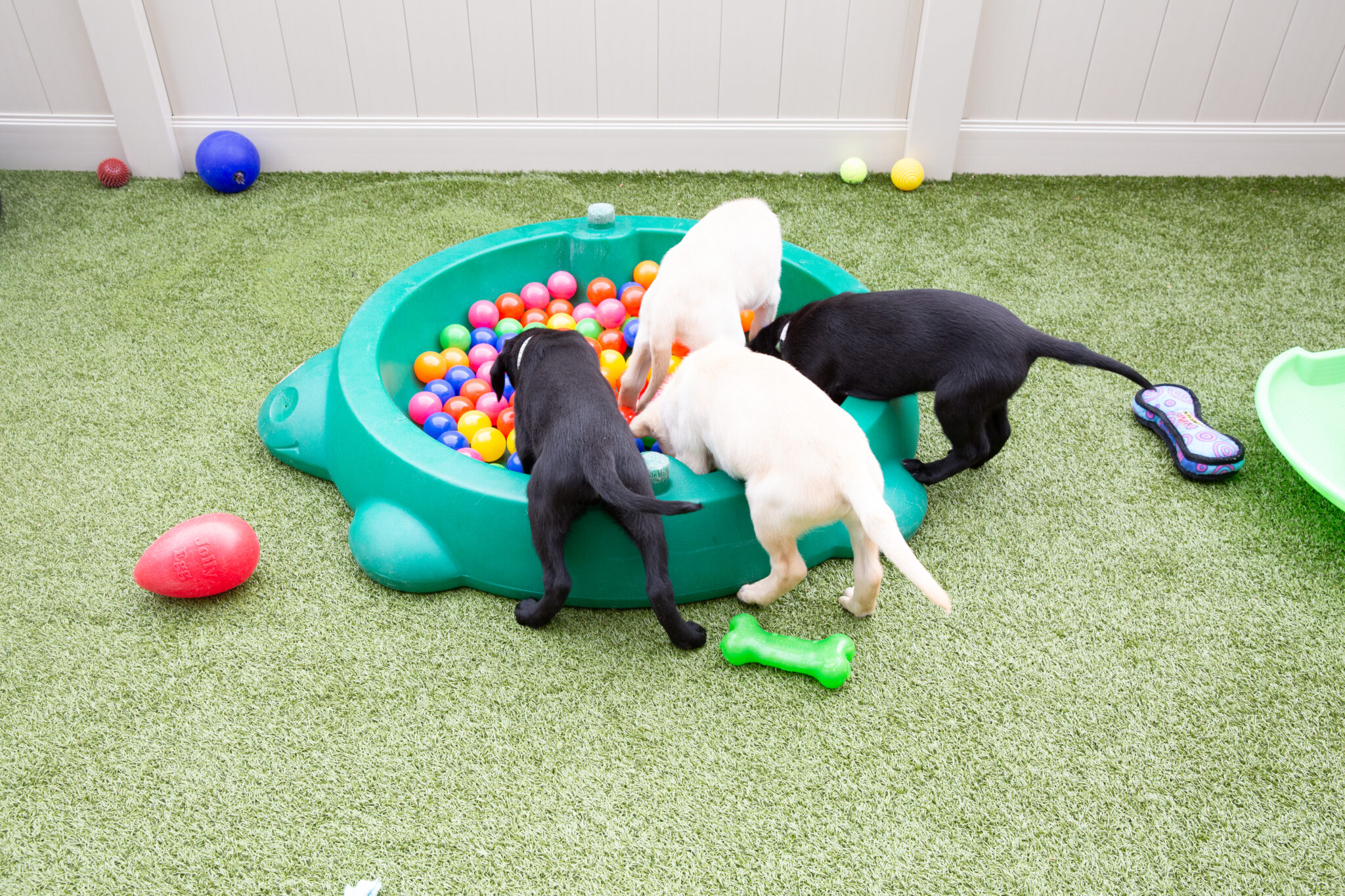
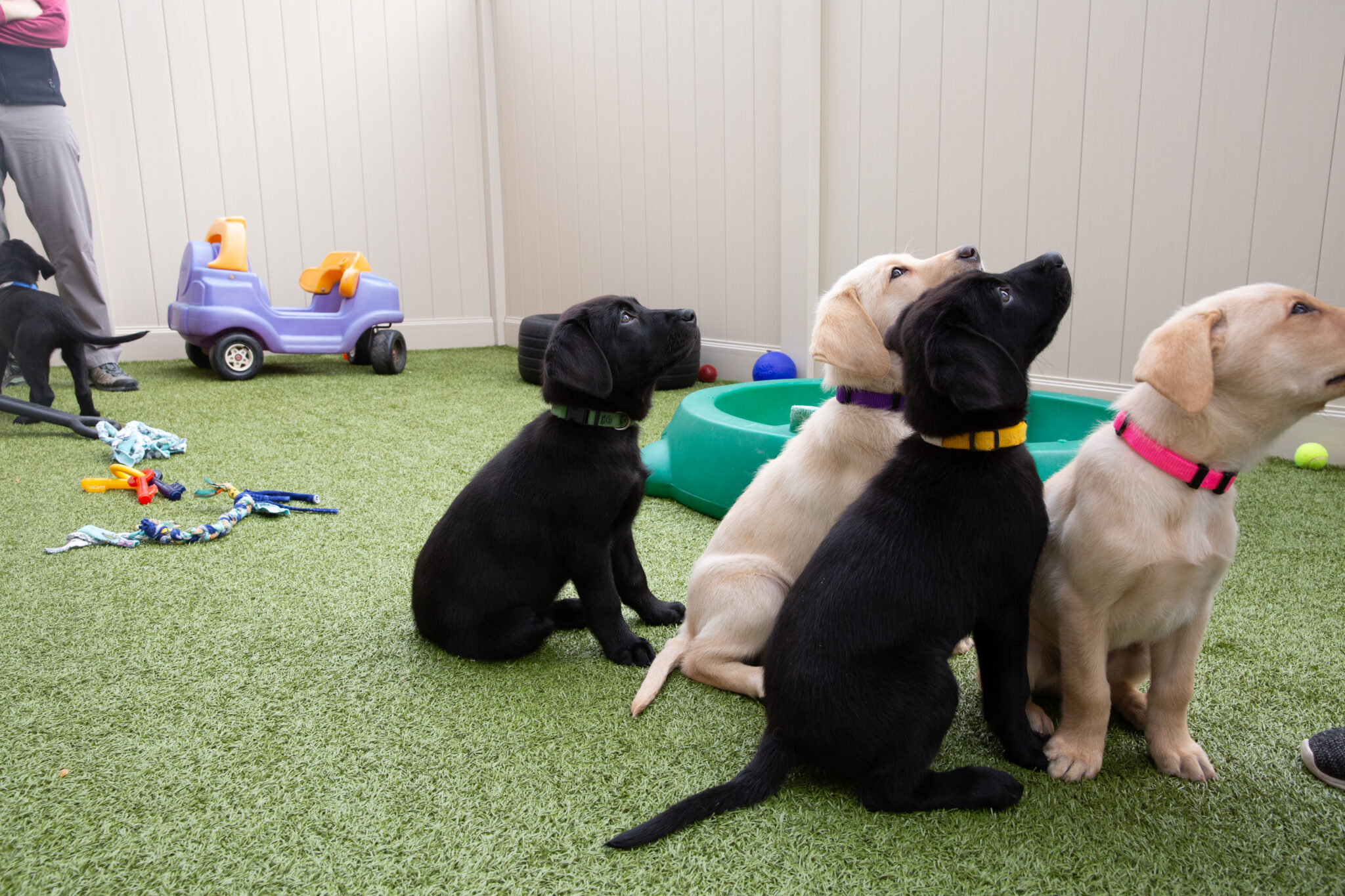
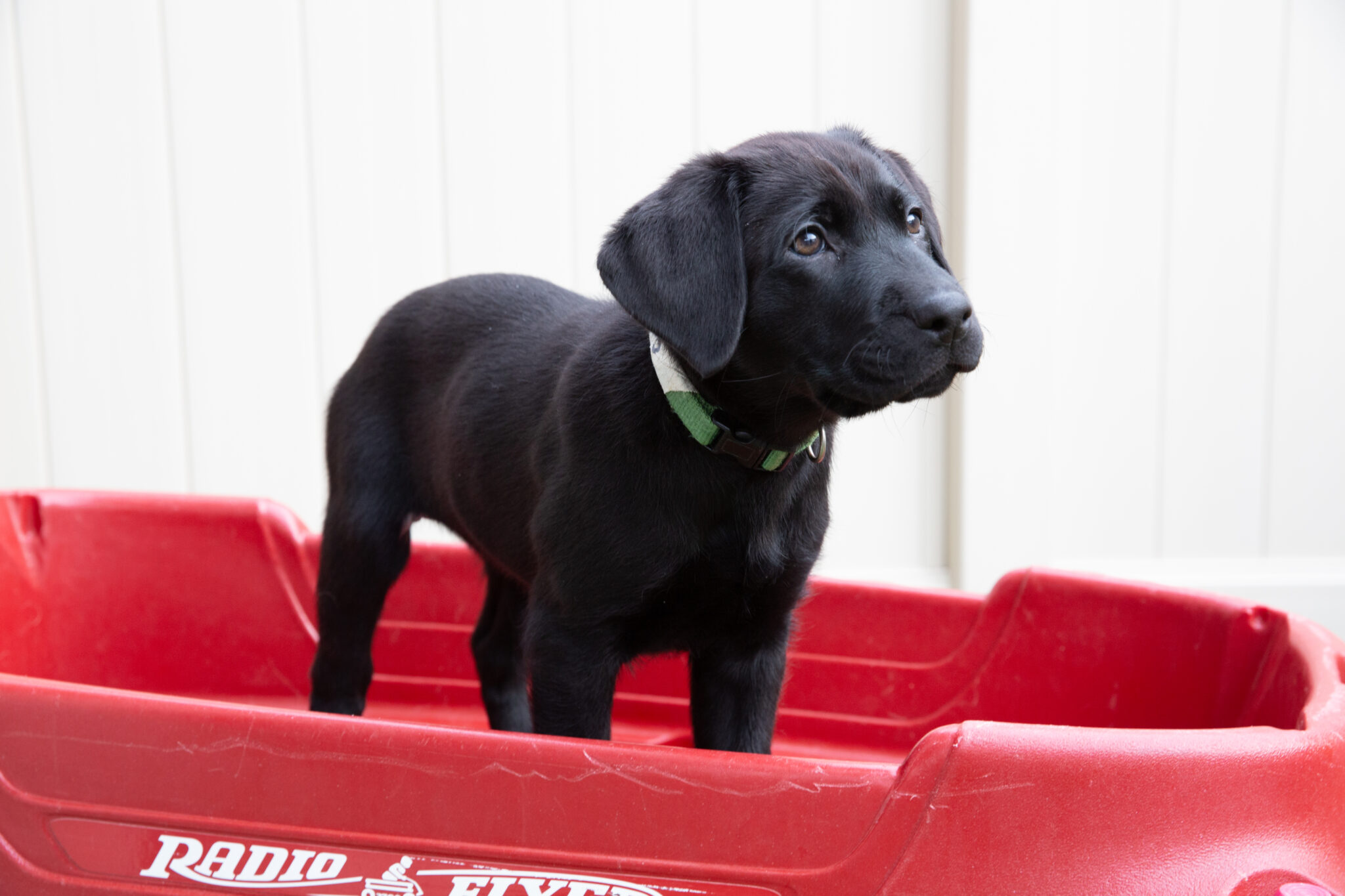
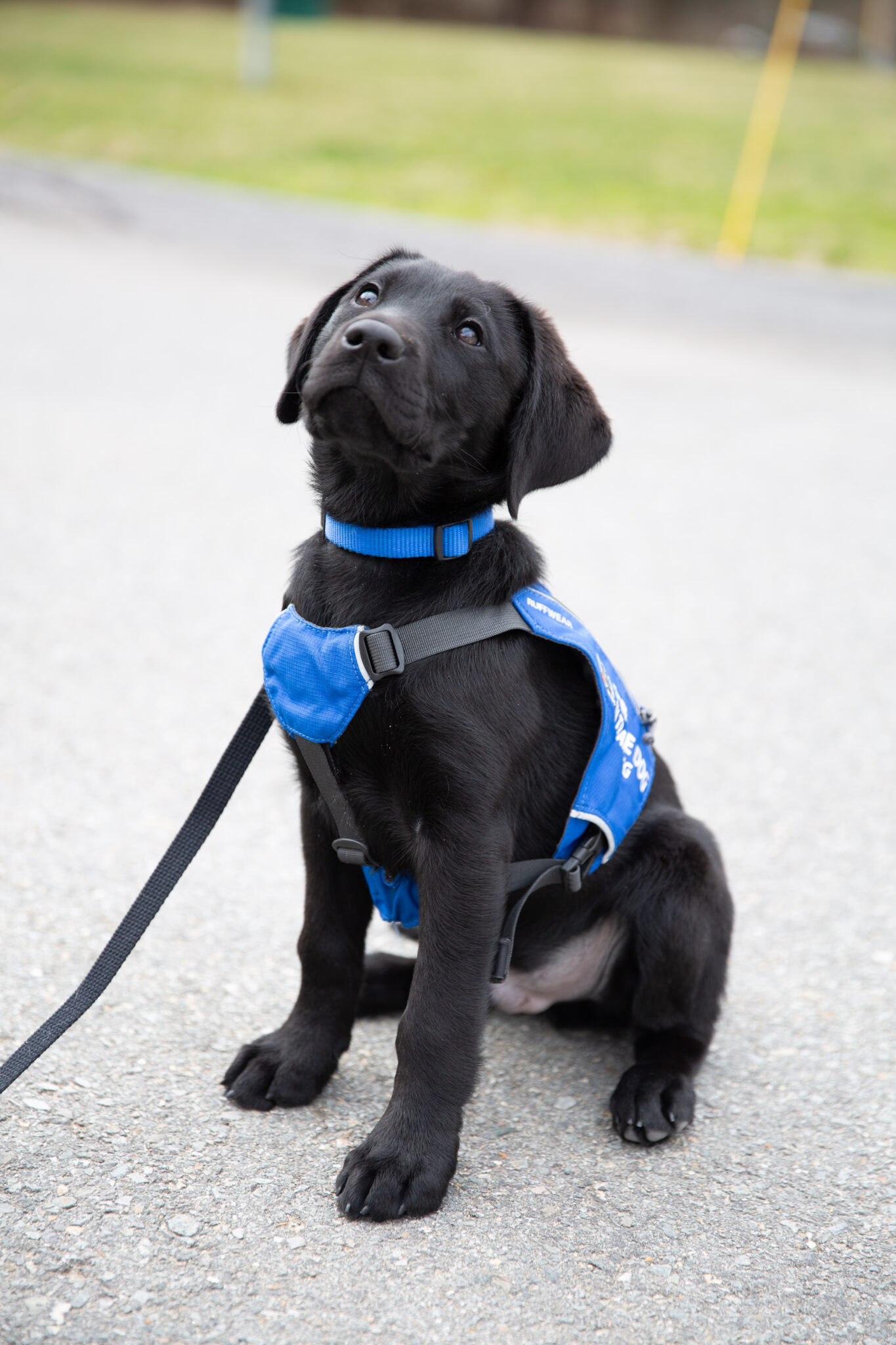
The Laura J. Niles Early Learning Center — our puppy kindergarten — received an equally meaningful upgrade. This purpose-built space features three socialization rooms, three puppy bedrooms with direct outdoor access, outdoor play yards, a centralized work hub, and a specialized care unit. It provides the ideal environment for the critical early weeks of a puppy’s development, when socialization and exposure to new experiences lay the foundation for the calm, confident Service and Facility Dogs our clients depend on.
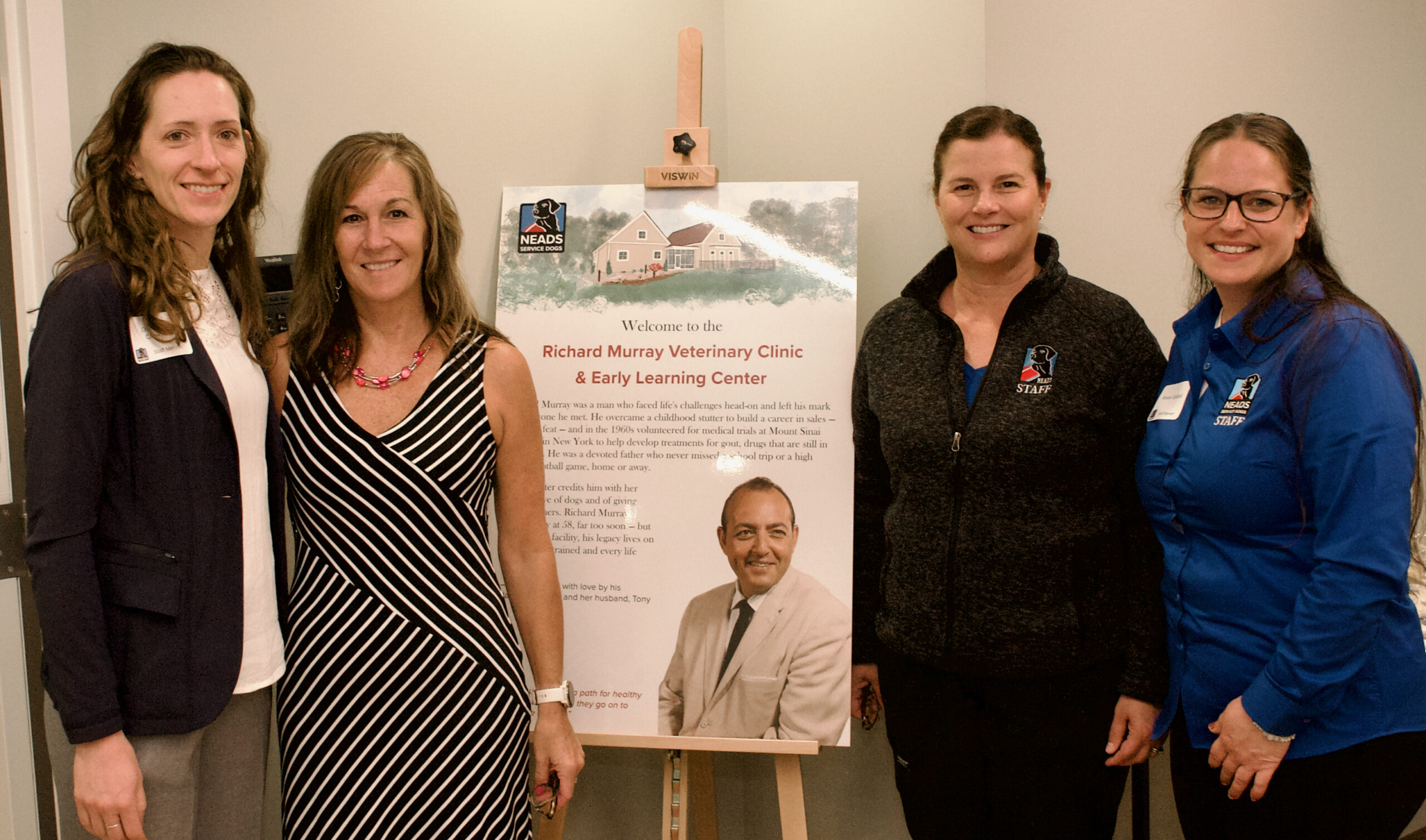
The building bears the name of Richard Murray, remembered with love by his daughter Jamie and her husband Tony Dobrowolski, whose generous gift made this facility possible. Richard Murray was a man who faced life’s challenges head-on and left his mark on everyone he met. He overcame a childhood stutter to build a career in sales, volunteered for medical trials at Mount Sinai Hospital in the 1960s to help develop treatments for gout, and was a devoted father who never missed a school trip or a football game, home or away. His daughter credits him with her lifelong love of dogs and of giving back to others. Richard Murray passed away at 58, far too soon — but through this facility, his legacy lives on in every dog trained and every life changed.